One TikTok video sold out the world’s pistachios — and your category is next. In December 2023 a single unboxing video of Dubai’s pistachio-kataifi chocolate bar passed 120 million views. Within 18 months, pistachio kernel prices had jumped roughly 35% (from about US$7.65 to US$10.30 per pound), US pistachio supplies had fallen about 20% year-on-year, and premium chocolate makers were struggling to buy kernels at any price. The lesson for every food and supplement brand owner is not about pistachios: viral demand now moves in weeks, while agricultural supply still moves in years. The brands that won the Dubai-chocolate wave were the ones whose ingredient supply was locked and documented before the spike. Below is exactly what happened — and the four-question trend-readiness checklist that decides whether your next launch rides the wave or watches it.
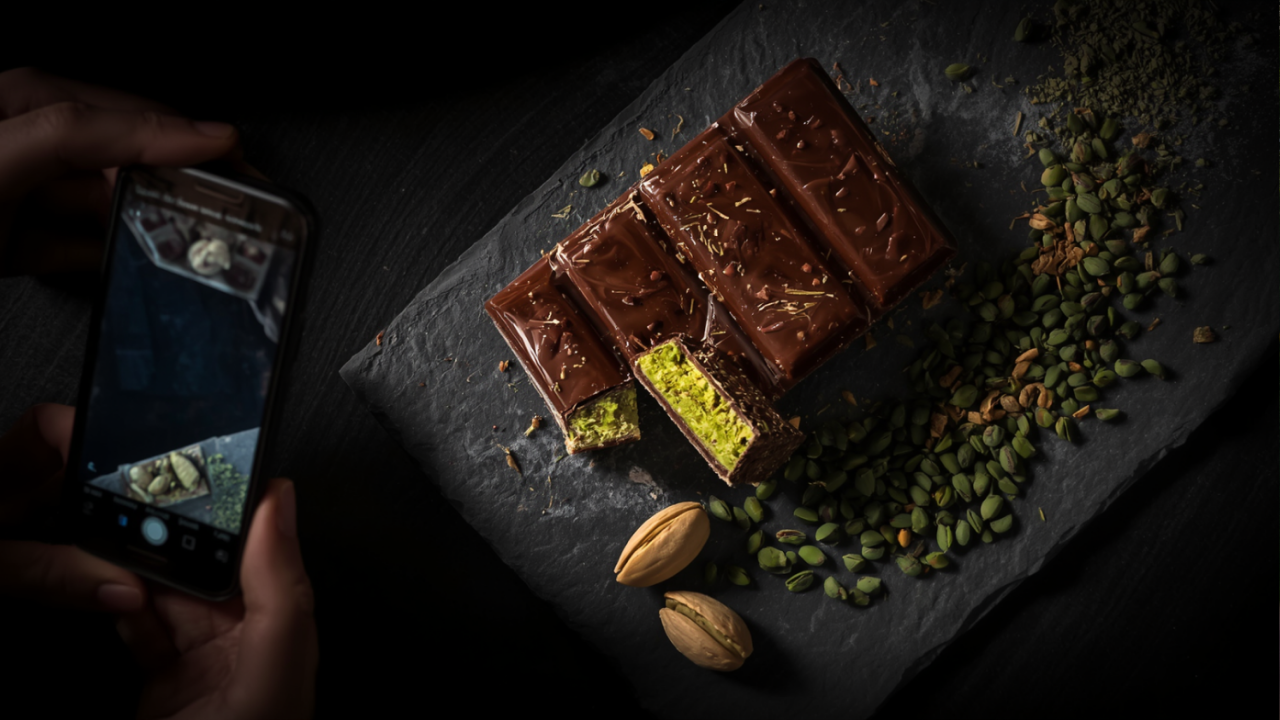
A 120-million-view TikTok met a nut that takes years to grow. The shelf lost.
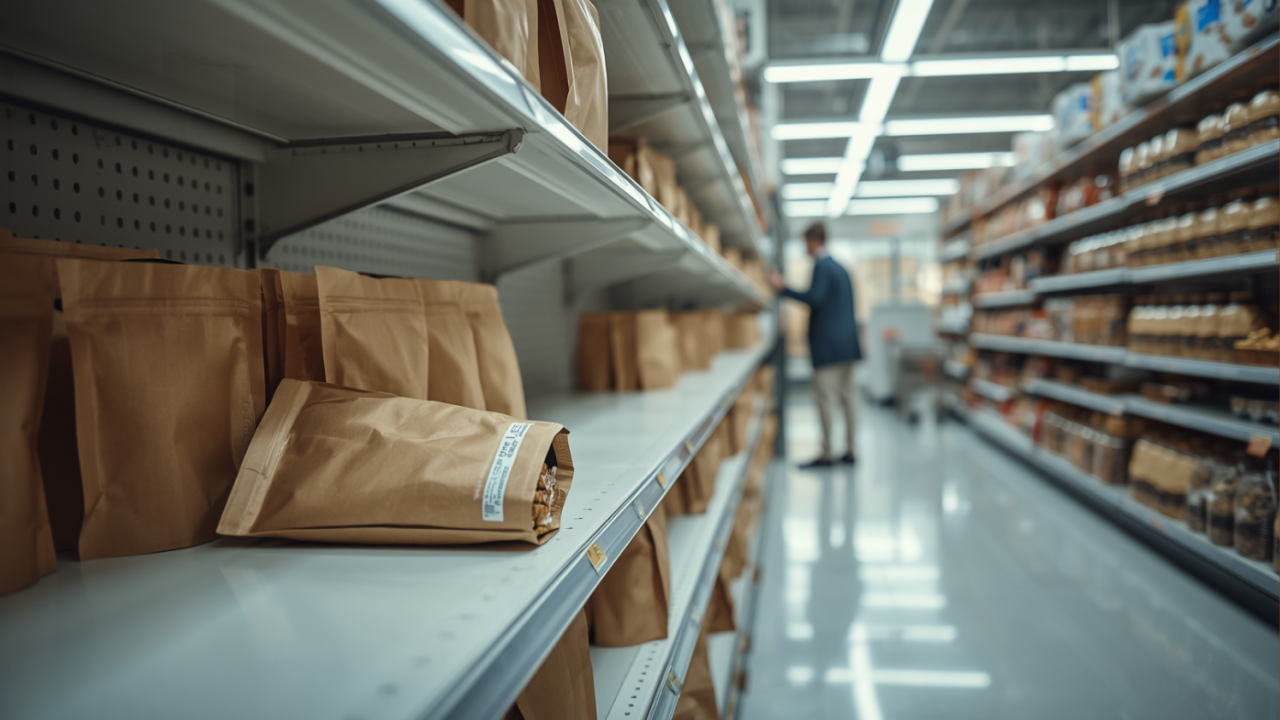
US pistachio supplies fell about 20% in the 12 months to February 2025, just as global demand spiked.
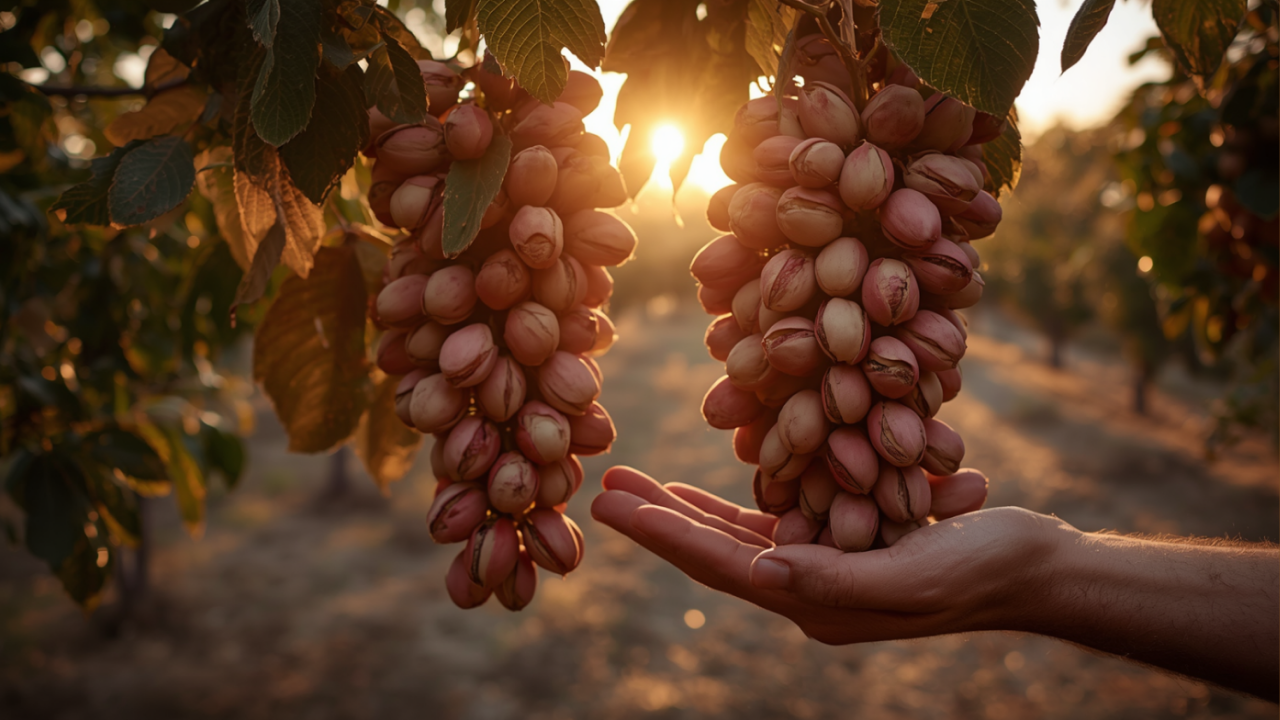
A new pistachio orchard needs roughly five to seven years before its first commercial crop — and it harvests once a year.
When a trend breaks, boutique makers and global factories suddenly bid for the same kernels — buyers who never used to compete.

Brands with supply already locked shipped their own versions in months — while others rationed recipes and reformulated mid-wave.

Four supplier questions — concentration risk, dossier-ready spec, second source, existing-line fit — decide who rides the next wave.
Standardized botanical extracts, natural colourants & flavours and liposomal vitamin systems — documented, halal-certified ingredient supply from Malaysia.
bionutriciaextract.com
What actually happened: an 18-month timeline
The bar itself launched quietly in 2021 — a UAE dessert brand’s pistachio-cream, tahini and crisp kataifi filling in milk chocolate. In December 2023, a single TikTok unboxing video turned it into a global object of desire, eventually passing 120 million views. Through 2024 the imitations multiplied; by early 2025 the squeeze was fully visible in the supply chain: pistachio kernel prices up from about US$7.65 to US$10.30 per pound, US supplies down roughly 20% in the twelve months to February 2025 (on top of a weak US harvest), Iranian pistachio exports to the UAE up about 40% in six months, and Turkish kataifi producers at capacity. Retailers in several markets rationed purchases; some manufacturers quietly altered recipes. Even established premium houses reported difficulty buying kernels — while others, with supply already committed, launched limited editions into the peak of demand in late 2024.
By March 2026, trade press was still writing about the “pistachio problem” — a reminder that when a viral wave collides with a climate-stressed crop, the disruption outlives the trend cycle itself.
Why trends now outrun harvests
Food-trend analysts describe a compressed “social-to-shelf” cycle: where a flavour once took years to travel from fine dining to mainstream retail (the classic menu-adoption cycle), a video-first trend can now generate measurable retail demand in weeks. Trend-intelligence firms such as Datassential and Tastewise both document the same shift — the visible expression of a trend changes week to week on short-form video, and spikes arrive faster than traditional category planning cycles can respond.
Agriculture has no equivalent acceleration. A pistachio orchard planted today bears its first commercial crop in roughly five to seven years, harvests once a year, and tends to alternate heavy and light bearing years. The same asymmetry applies to most botanical raw materials: crops are annual or perennial, land is committed seasons in advance, and drying, extraction and quality release add months. When demand can multiply within one quarter and supply is fixed until the next harvest, the adjustment mechanism is price — and then allocation. Whoever is already in the queue gets the material; everyone else gets the apology email.
The cascade effect: when everyone moves at once
The second mechanism is just as important as the first. A viral format doesn’t recruit one buyer — it recruits every buyer simultaneously. During the Dubai-chocolate wave, boutique dessert shops, industrial confectioners, café chains and private-label retailers — buyers who normally never compete for the same lots — converged on the same pistachio kernels and the same kataifi capacity within months. Analysts covering the episode noted wholesale buyers moving in larger volumes precisely when supply was weakest. This is the same shelf-reset dynamic we described for the synthetic-dye exit: the risk is not only that material gets expensive, but that qualified material — the right grade, with the right documentation — books out first.
The pistachio price move, charted
The trend-readiness checklist: four questions before the next wave
You cannot schedule a viral trend, but you can decide in advance whether your supply chain can catch one. Run every hero-ingredient candidate — and every existing hero SKU — through these four questions:
- 1. What is the concentration risk? Is the ingredient single-origin, harvest-limited, or cropped once a year? Tree crops and wild-collected botanicals are the slowest to expand; a standardized extract with multiple qualified crop sources is structurally harder to sell out.
- 2. Is a dossier-ready form available now? A defined specification, a marker or assay range where relevant, a Certificate of Analysis for every lot, ingredient-level halal certification and stability documentation mean a new ingredient can clear your approval process in days. If the paperwork only starts after the trend breaks, the trend is over before you launch.
- 3. Is a second source qualified before the spike? A portable specification — chemistry any qualified plant can quote against, not a supplier’s product code — is what lets you move when your first source is allocated. We covered this fully in Who Owns Your Formula?
- 4. Can an existing line absorb the trend? The fastest trend response is not a new SKU — it is a flavour, colour or format variant of a line you already run. A brand with a validated beverage or confectionery base can ride a wave with one ingredient swap; see our functional-beverage formulation guide.
The quiet implication: trend-readiness is mostly a documentation and qualification exercise done in the boring months. The Dubai-chocolate winners didn’t predict the video — they simply already had supply, specs and a second source when it landed.
Where the next waves are already forming
Short-form video keeps reaching for the same raw material: distinctive colour, story-rich origin, and a name worth saying out loud. That is why so many recent waves — butterfly pea’s colour-changing blue, pandan’s “vanilla of Southeast Asia” moment, ube’s purple everything, roselle’s ruby acidity, coconut in every format — draw on tropical botanicals that grow natively in Southeast Asia. For brand owners, securing the standardized extract at origin (covered in our origin-supply guide) collapses both the markup and the queue: you are buying where the crop and the extraction capacity actually sit, with export documentation built in.
The same readiness logic applies across the wider ingredient range: standardized botanical extracts and active fractions for supplement launches; natural colourants and flavours (butterfly pea, pandan, roselle and fruit-derived systems) for beverage, bakery, dairy and confectionery reformulation; berry and fruit extract and juice-powder ranges for antioxidant positioning; and liposomal vitamin systems for premium delivery formats. Bionutricia supplies the bulk ingredient for B2B formulation; brand owners and manufacturers formulate it into their chosen finished format — capsules, tablets, gummies, sachets, beverages, bakery or confectionery. If a seasonal window is part of your planning, our Ramadan 2027 backward calendar shows how the same discipline applies to a date you can schedule.
Frequently asked questions
What did the Dubai chocolate trend do to pistachio prices?
Reporting on the 2024–25 market recorded pistachio kernel prices rising from about US$7.65 to US$10.30 per pound — roughly a 35% increase — while US supplies fell about 20% in the twelve months to February 2025 and Iranian exports to the UAE rose about 40% in six months.
Why do viral food trends cause ingredient shortages?
Because demand and supply now run on different clocks. Short-form video can multiply demand for an ingredient within weeks, while agricultural supply is fixed until the next harvest — and expanding tree-crop acreage takes years. The gap is absorbed by price rises and allocation, so buyers who are not already qualified and in the queue get squeezed out.
How can a brand prepare its supply chain for viral trends?
Four checks before the wave: know each hero ingredient’s concentration risk; insist on dossier-ready documentation (specification, CoA per lot, ingredient-level halal certification); qualify a second source against a portable specification; and design product lines that can absorb a trend as a flavour or colour variant instead of a new SKU.
How long does a pistachio tree take to produce a crop?
A newly planted pistachio orchard typically needs roughly five to seven years to bear its first commercial crop, reaches full yield years later, and naturally alternates heavier and lighter bearing years — one reason supply could not respond quickly to the 2024–25 demand spike.
What does “dossier-ready” mean for a botanical ingredient?
An ingredient supplied with its qualification paperwork complete: a defined specification, marker or assay range where relevant, Certificate of Analysis for every lot, ingredient-level halal certification and stability data. Dossier-ready ingredients can clear a brand’s approval process in days rather than months.
Does Bionutricia supply finished consumer products?
Bionutricia supplies the bulk ingredient for B2B formulation; brand owners and manufacturers formulate it into their chosen finished format — capsules, tablets, gummies, softgels, sachets, beverages, bakery, dairy or confectionery applications.
Related guides
Who Owns Your Formula? The Captive-Spec Trap in Botanical Extract Sourcing
Sourcing Tropical Botanical Extracts at Origin: How to Beat the “Exotic” Markup
The Ramadan 2027 Shelf Is Decided in September: The Backward Calendar
Formulating Botanical Extracts into Functional Beverages
References
1. Associated Press (via WFTV, April 2025). “How Dubai chocolate went viral and disrupted the global pistachio market.” wftv.com
2. FoodNavigator (22 April 2025). “Dubai chocolate craze causes global pistachio shortage and scams.” foodnavigator.com
3. Fast Company (2025). “TikTok’s beloved Dubai chocolate is breaking the pistachio supply chain.” fastcompany.com
4. Malay Mail (20 April 2025). “Dubai’s viral pistachio chocolate sparks global nut shortage and surging prices.” malaymail.com
5. Food Manufacture (25 March 2026). “The pistachio problem: climate disruption and the fragility of ingredient supply.” foodmanufacture.co.uk
6. Datassential. “Understanding the Menu Adoption Cycle.” datassential.com
7. Tastewise (2026). “Viral Food Trends in 2026.” tastewise.io