Short answer: the premium on an “exotic” tropical botanical is paid mostly for positioning, standardization and provenance — not the raw plant. This guide explains the 2026 demand wave behind butterfly pea, pandan, roselle and coconut, why the markup exists, and how sourcing the standardized extract at origin lets a brand owner win on cost, story and supply security.
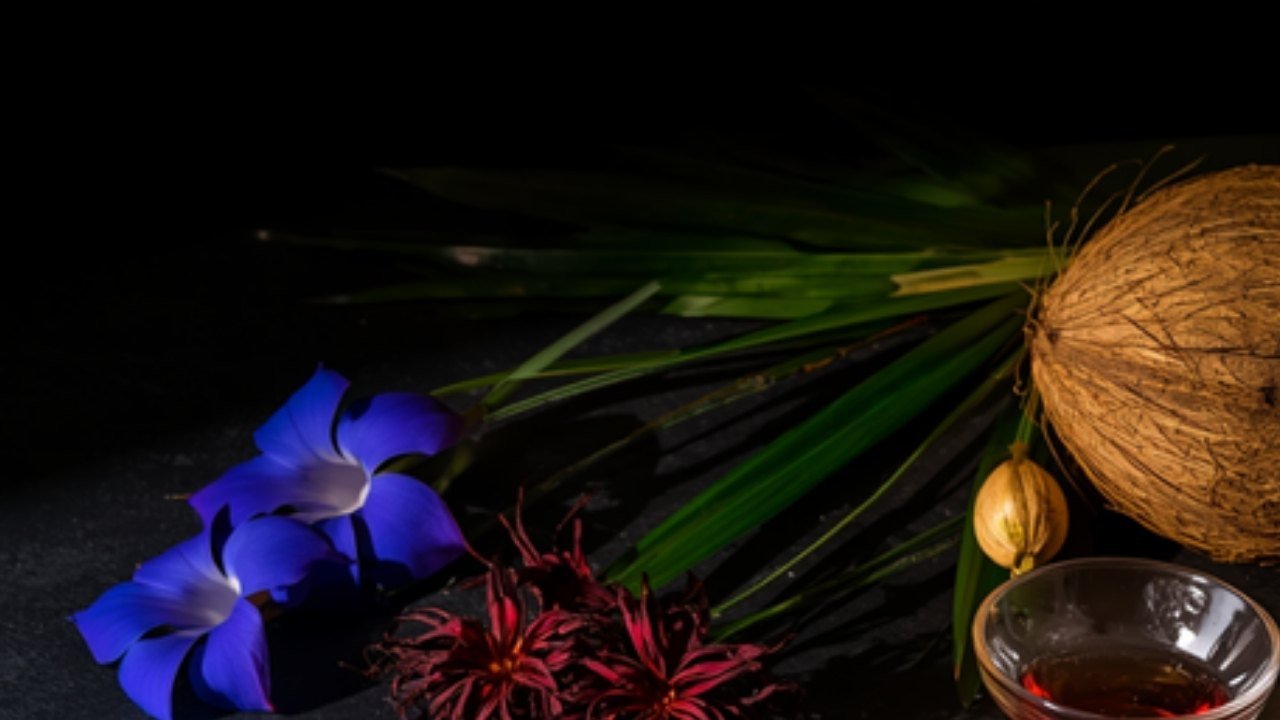
The tropical-botanical boom is real — and commercial
Natural, plant-forward ingredients are one of the fastest-growing corners of food and beverage. The botanical-ingredients market is estimated at roughly US$182 billion in 2026, growing about 7% a year, with Asia-Pacific the fastest-growing region. Clean-label reformulation, natural colour and flavour, and a preference for “real” ingredients with an origin story all pull in the same direction.
Nowhere is that clearer than the flavour maps: coconut-pandan has been named a defining pairing for 2026, and Southeast-Asian profiles are moving from specialist menus to the mainstream. For a brand owner, this is a shelf-space opportunity with a clock on it.

What global brands are really paying for
Walk a premium shelf and the tropical botanical inside a bottle looks expensive. But most of what the shopper pays for is not the plant — it is the positioning (clean label, natural colour, a story worth telling), the standardization that makes the product consistent, and the documentation that lets it clear a border and satisfy a retailer.
That matters because it tells a B2B buyer where the value — and the margin — actually sits. If you compete only on the raw ingredient, you compete on the cheapest part of the chain. The leverage is upstream, in how the ingredient is specified and sourced.
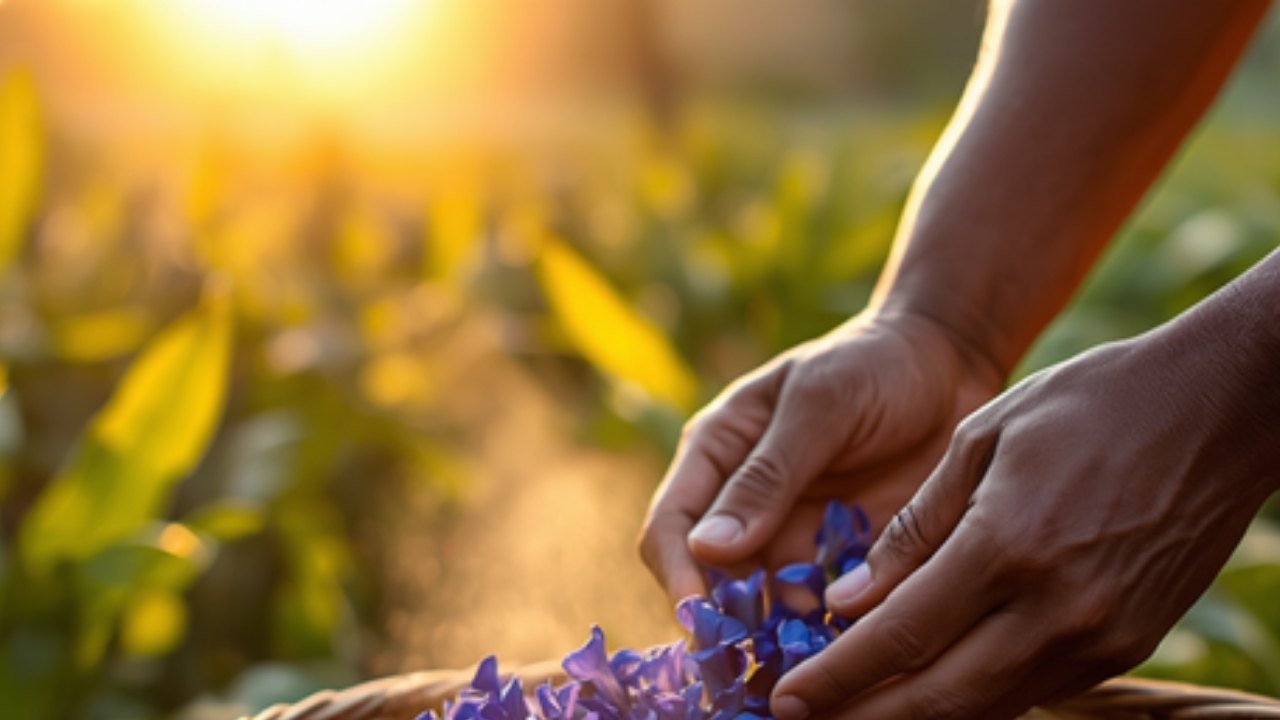
The botanicals in demand grow in Southeast Asia
The tropical botanicals brands want most for colour and flavour are native to the region: butterfly pea flower (a natural blue), pandan (an aromatic flavour often called the “vanilla of Southeast Asia”), roselle / hibiscus (a natural red) and coconut. These are everyday crops where they grow, and mainstream discoveries almost everywhere else.
Used here strictly as colour and flavour ingredients for food and beverage — the pigment and flavour detail sits in our companion guide, Natural Food Colour Supplier (Halal, Malaysia). The commercial point of this article is different: it is about where you buy them.

“Exotic” is a markup, not a property of the plant
Here is the idea worth internalising: the same blue is inexpensive as a bulk ingredient and a premium once it is positioned. Nothing about the plant changed — only the story, the packaging and the number of hands it passed through. “Exotic” is a pricing tier applied to a botanical, not a quality baked into it.
That is good news for a brand owner, because a markup that comes from positioning and chain length is a markup you can capture yourself — by moving closer to the source and owning the story, rather than paying someone else for both.

Buying the long way costs you twice
Most tropical botanicals reach a brand owner the long way: from a farm, through collectors, traders and re-labellers, before arriving as a drum with a distant name on the label. Every hand in that chain adds a margin — and, just as costly, strips out the provenance you could have used to sell the product.
You end up paying more for a commodity-grade ingredient and losing the one thing the clean-label trend actually rewards: a credible, traceable origin. It is the worst of both — higher cost and a weaker story.

The alternative: standardized at the source
The alternative is to buy the extract at origin, standardized rather than just dried. Standardizing means every batch is adjusted to a named colour or flavour specification, verified in the lab, and documented on a Certificate of Analysis for each lot — so your finished product performs the same, batch after batch.
Done at origin, it also comes with the export credentials serious buyers ask for — JAKIM Halal, FSSC 22000, US FDA registration and country-of-origin documentation — and with farm-to-extract traceability rather than a paper trail that stops at a trader. For how to vet a supplier, see How to Choose a Halal Botanical Extract Manufacturer in Malaysia (2026).
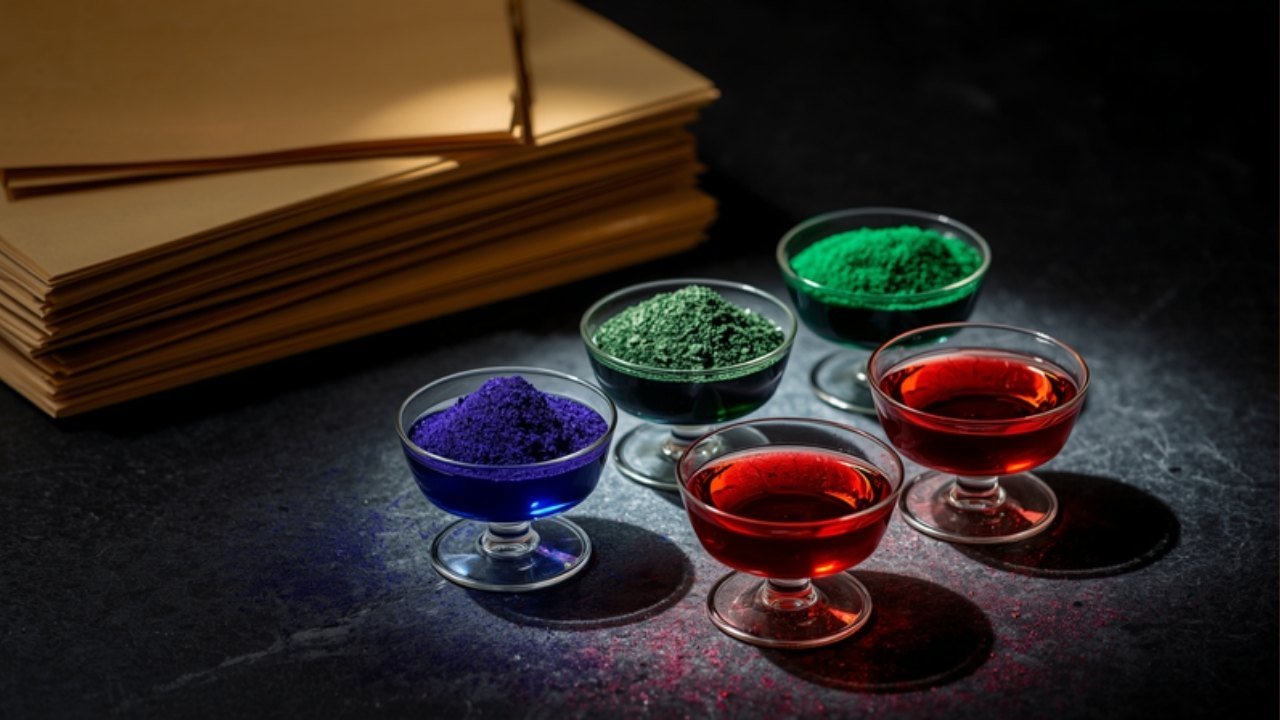
Buy at origin, and you win three ways
1. Cost. Fewer intermediaries take a margin, so more of your spend buys ingredient rather than middlemen.
2. Provenance. A real, documented origin story you can put on the pack — the currency of clean-label and authenticity. 3. Supply security. As global demand outruns the harvest, a direct line to origin keeps you supplied while others are put on allocation. The move is not simply to use a trendy ingredient — it is to secure the standardized extract at origin before the trend peaks.

Standardized tropical botanicals, extracted at origin
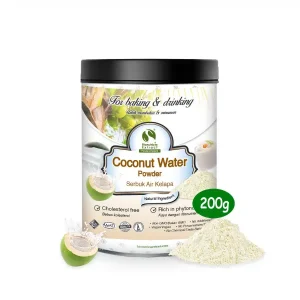
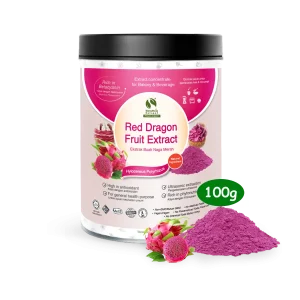
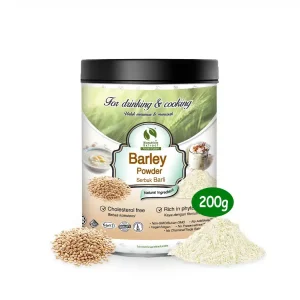
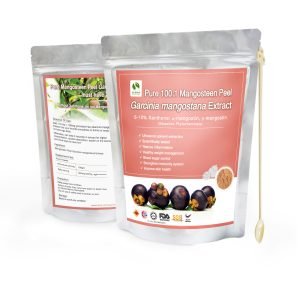
Bionutricia (established 2006) extracts and standardizes tropical botanicals — butterfly pea, pandan, roselle, coconut and more — in Malaysia, where the plants grow. Products are supplied as the bulk ingredient for B2B formulation: brand owners and manufacturers formulate them into their chosen finished format — beverages, bakery, dairy, confectionery, capsules, sachets and more.
Every lot is built to a defined specification with a Certificate of Analysis, under FSSC 22000, GMP, HACCP, JAKIM Halal, US FDA and MeSTI certifications plus NanoVerify. Explore the range: bionutriciaextract.com/product-category/food-ingredients/.
Frequently asked questions
Why do “exotic” botanical ingredients cost more?
The premium is paid mostly for positioning, standardization and provenance rather than the raw plant. In its country of origin the same botanical is an everyday crop; the price climbs as it is standardized to a named colour or flavour specification, documented, certified for export, and moved through intermediaries. “Exotic” is a pricing tier and a story, not a property of the plant.
What does “standardized at origin” mean for a botanical extract?
It means the extract is produced where the plant grows and every batch is adjusted to a named, verified specification — for example a target colour value or flavour load — with the result printed on a Certificate of Analysis for each lot. That is different from simply drying and shipping a raw botanical: it makes the ingredient consistent from batch to batch so a brand owner’s finished product performs the same every time.
Which tropical botanicals are trending in 2026 food and beverage?
Southeast-Asian botanicals used for natural colour and flavour are going mainstream: butterfly pea flower (a natural blue), pandan (an aromatic flavour often called the vanilla of Southeast Asia), roselle or hibiscus (a natural red) and coconut. Coconut-pandan has been named a defining flavour pairing for 2026, driven by clean-label and authenticity trends.
What are the advantages of sourcing botanical extracts at origin?
Lower landed cost because fewer intermediaries take a margin; an authentic provenance story you can put on the pack, which is what the clean-label trend rewards; and greater supply security, because a direct relationship at origin keeps you supplied as demand outruns the harvest. The trade-off to manage is verifying that the origin supplier truly standardizes and documents every lot.