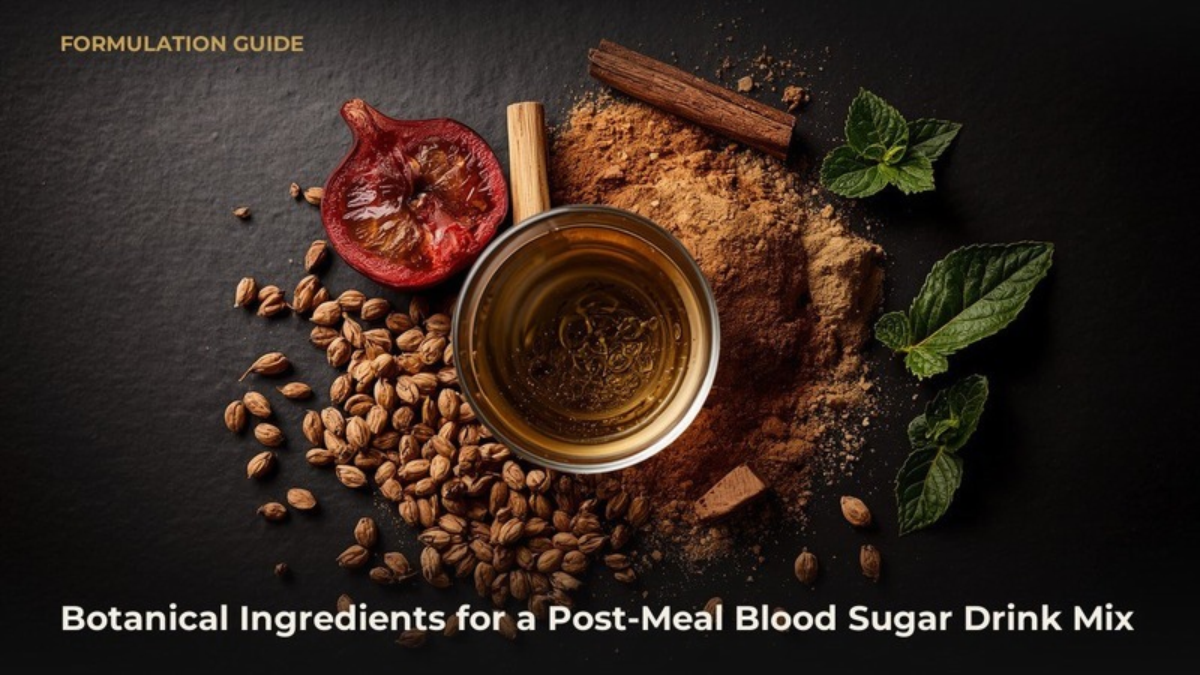
Blood-Sugar Concern Premix for Post-Meal Drink Mixes: Building a Fenugreek + Vinegar, Cinnamon and Sweetener Matrix — Usage Level, Stability and Processing
Formulator’s summary: Fenugreek (Trigonella foenum-graecum) seed extract powder is the hero: a 100:1 water-soluble extract standardised to 4–5% steroidal sapogenins. Partners are fermented vinegar powder, cinnamon (Cinnamomum verum) ground powder, and monk fruit (Siraitia grosvenorii) or stevia (Stevia rebaudiana) for sweetness. The powder drink mix suits beverage development; cinnamon may remain dispersed rather than dissolve fully.
Formulation brief
- Fermented Vinegar Powder: spray-dried; published product page reports 50–60% acetic acid
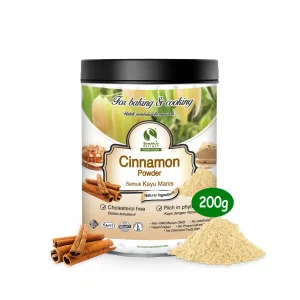
- Cinnamon: Cinnamomum verum ground powder; not fully dissolved in water
- Fenugreek: Trigonella foenum-graecum seed extract powder; technical review states 100:1 and 4–5% steroidal sapogenins
The use case and market brief
This matrix concept addresses a practical development brief: balancing vinegar sourness and aroma with spice and sweetness in a post-meal drink mix. Nutraceuticals World’s 8 July 2025 article, “Blood Sugar Becomes Top Wellness Market,” reported that ADM research found 57% of United States adults took specific steps to manage blood sugar, 40% monitored blood glucose outside routine doctor visits using home devices, and 84% said they were avoiding or decreasing sugar intake to manage blood glucose. The article also reported an FMCG Gurus survey finding that 77% of North American consumers aimed to improve metabolic health in the next year. These figures describe survey responses and consumer intentions; they are market context rather than trial evidence. Nutraceuticals World, 8 July 2025.
The ingredient matrix
| Matrix component | Catalogue ingredient | Formulation role | Specification checkpoint |
|---|---|---|---|
| Vinegar component | Fermented Vinegar Powder | Strong sourness and vinegar aroma | Spray-dried powder; published page reports 50–60% acetic acid; confirm the lot assay and test method |
| Spice component | Cinnamon (Cinnamomum verum) Powder | Warm, sweet-spice aroma and flavour | Ground powder; not fully dissolved in water; assess suspension and sediment |
| Herbal extract component | Fenugreek (Trigonella foenum-graecum) Extract Powder | Seed extract material | Technical review states 100:1 and 4–5% steroidal sapogenins |
| Sweetness options | Monk Fruit Extract Powder or Stevia (Debittered) Extract Powder | Sweetness adjustment for sensory balance | Compare sweetness profile and aftertaste in the finished beverage matrix |
These are individual catalogue ingredients; the matrix is a development brief, not a validated premix. The table describes formulation roles and specification checkpoints only.
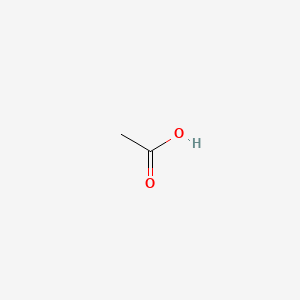
What is fermented vinegar powder?
Fermented Vinegar Powder is spray-dried vinegar fermented from white cane sugar. Its catalogue page reports 50–60% acetic acid and a strong smell. Acetic acid is the constituent named in the product specification; a formulator should verify the lot assay and analytical method on the certificate of analysis for each lot.
Why pair these ingredients in a drink-mix development brief?
Fermented vinegar powder contributes strong sourness and aroma. Cinnamon adds a warm spice profile, while monk fruit or debittered stevia can be assessed for sweetness. Fenugreek is a separate seed extract ingredient. The formulation work concerns how these sensory and physical properties perform together in the selected beverage base.
The catalogue fenugreek extract is described in the site’s technical review as a 100:1 seed extract standardised to 4–5% steroidal sapogenins. That declared marker and assay basis distinguish a standardised extract specification from crude ground fenugreek seed powder, which does not carry the same declared extract ratio and marker specification. A lot-specific certificate of analysis documents the marker result. Bionutricia’s extraction capability includes patented enzymatic ultrasonic extraction (MY-188945-A); the product specification should be consulted for the method applicable to a particular catalogue ingredient.
The fenugreek human-trial review summarises preparations and their individual study details; findings and doses remain specific to the preparation studied. Fenugreek human-trial review.
Compatibility and processing conditions
Assess the vinegar powder’s sourness and aroma first, then trial cinnamon dispersion and settling, as the ground powder does not fully dissolve in water. Compare sweetness onset and persistence for monk fruit and debittered stevia in the target beverage base, then review the complete flavour profile after reconstitution. Check sedimentation and physical stability under the intended preparation and storage conditions.
- Confirm identity and current specification for each ingredient.
- For vinegar powder, record the lot acetic-acid assay and analytical method.
- For fenugreek, compare certificates using the stated 4–5% steroidal sapogenins marker basis.
- Evaluate flavour, dispersion, sediment and physical stability in the target beverage.
Premix versus blending in-house
The listed materials can be qualified individually before a brand decides whether to combine them in its own facility. A brand developing its own blend would set ingredient identity, mixing sequence, homogeneity criteria, moisture controls and release documentation for the finished powder. This article describes ingredient choices for a development brief, not a pre-validated premix.
Specification and market claim review
The catalogue identifies spray-dried fermented vinegar powder with 50–60% acetic acid, cinnamon ground powder that is not fully water-soluble, and fenugreek seed extract described in the site’s technical review as 100:1 and standardised to 4–5% steroidal sapogenins. Monk fruit and debittered stevia are listed as extract powders; consult current product specifications and lot documentation for their assay details.
For United States dietary supplements, the Food and Drug Administration describes structure/function claims as requiring substantiation, notification within 30 days after first marketing and a statutory disclaimer. See the FDA structure/function claims guidance and 21 CFR § 101.93. Requirements in other markets differ by jurisdiction and product category; check the current official requirements and exact finished-product wording in each target market before label approval.
Supplying this botanical range and related ingredients in bulk
The five matrix ingredients are listed separately: Fermented Vinegar Powder, Cinnamon (Cinnamomum verum) Powder, Fenugreek (Trigonella foenum-graecum) Extract Powder, Monk Fruit Extract Powder and Stevia (Debittered) Extract Powder. Other catalogue ingredients a formulator may compare in broader beverage development include Black Seed Oil (Nigella sativa) Powder and Saffron Yellow (Crocus sativus) Standardized Extract Powder; these links identify other catalogue products, not a recommended blend.
For procurement, request current product specifications, a certificate of analysis per lot, applicable documentation and export paperwork, packing options, and sample availability where offered. The site’s Our Commitment page lists FSSC 22000, JAKIM Halal, GMP, HACCP and MeSTI facility credentials. US FDA registration is facility registration only, not product approval. Confirm current certificate scope and validity during supplier qualification.
Frequently asked questions
Which catalogue ingredients are included in the matrix? Fermented vinegar powder, cinnamon powder, fenugreek extract powder, monk fruit extract powder and debittered stevia extract powder are identified as separate ingredients. Each requires its own specification and lot review.
Is fermented vinegar powder the same as apple cider vinegar? No. The catalogue powder is made from vinegar fermented from white cane sugar and its product specification reports an acetic acid range of 50–60%. Verify the lot assay and method on its certificate of analysis.
What should be checked on fenugreek documentation? The site’s technical review describes a 100:1 seed extract standardised to 4–5% steroidal sapogenins. Compare that marker basis and the lot assay with the current product specification.
How should the sour note and powder dispersion be assessed? Evaluate vinegar aroma and sourness with the selected sweetener and cinnamon profile in the intended beverage. Cinnamon is a ground powder and is not fully dissolved in water, so assess settling and mouthfeel.
Can identical claims be used across all markets? No. Check current official requirements and exact finished-product wording for each target market before label approval.
References
- U.S. Food and Drug Administration, “Structure/Function Claims”; Electronic Code of Federal Regulations, 21 CFR § 101.93. FDA guidance; regulation. Accessed 26 November 2026.
- “Blood Sugar Becomes Top Wellness Market.” Nutraceuticals World, 8 July 2025. Article. Consumer survey results as reported by the publication.
Request a custom premix brief for post-meal drink mixes — Fermented Vinegar Powder, Cinnamon (Cinnamomum verum) Powder, Fenugreek (Trigonella foenum-graecum) Extract Powder, Monk Fruit Extract Powder, Stevia (Debittered) Extract Powder.