Fenugreek (Trigonella foenum-graecum) seed extract in human trials: preparations, doses, durations and what was measured
Fenugreek (Trigonella foenum-graecum) seed extract is a 100:1 water-soluble powder standardised to 4–5% steroidal sapogenins, suited to beverage powders, culinary blends and herbal supplement premixes. Human trials used different preparations, so a trial dose from one preparation cannot be applied to another. Each result below is reported for the named preparation only.
Company certifications/registrations
Catalogue extract at a glance
- Botanical and part: Trigonella foenum-graecum, seed
- Extraction ratio: 100:1
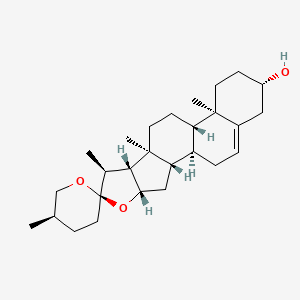
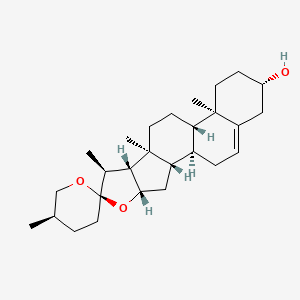
- Standardised to: 4–5% steroidal sapogenins
- Solubility: water-soluble; pH 5–7; moisture 2–8%
- Form: light-yellow fine powder; pack sizes 1 kg, 5 kg and 20 kg
- Usage level in the bulk guide: 350–680 mg per serving (a formulation level, not a trial dose)
What the trials used
Fenugreek materials differ, and the material determines what a dose means. Whole seed powder is the ground seed itself. A seed extract is concentrated, and its ratio and marker define it. Named branded extracts carry their own standardisation. The human trials below used a proprietary de-husked seed extract, Trigozim, fenugreek seed extract, the Fenfuro and Furocyst furostanolic saponin extracts (Furocyst at about 40% furostanolic saponins), and a fenugreek glycoside extract. Our catalogue extract is standardised to steroidal sapogenins, a different marker basis from the furostanolic saponin figures. A dose from one of these materials therefore cannot be applied to another.
Trial table: preparation, dose, duration and reported result
| Study (PMID) | Preparation and population | Dose and duration | Reported result |
|---|---|---|---|
| Lee-Odegard, PLoS One, 2024. PMID 39288153 | Double-blind RCT. Trigozim fenugreek extract in 95 men aged 40–80, against placebo. | 600, 1200 or 1800 mg/day; 12 weeks | Total testosterone and free testosterone index rose from baseline (13.0% and 16.3%). Versus placebo, the differences were 9.0% (p=0.122) and 11.3% (p=0.059), which were not statistically significant (null result). Saliva testosterone rose versus placebo by 37.2% (p=0.042). At 1800 mg/day, saliva testosterone rose 19.6% (p=0.006) and free testosterone index rose 12.2% (p=0.025). No side effects reported. |
| Hausenblas, J Complement Integr Med, 2020. PMID 32441668 | Randomised, double-blind, placebo-controlled. Fenugreek seed extract in 57 healthy men (mean age 26.1). | 400 or 500 mg/day; 60 days | Improvements versus placebo in aging-male symptom scores, anxiety, grip strength and quality-of-life indicators (p<0.05). No adverse events reported. |
| Steels, Phytother Res, 2017. PMID 28707431 | Double-blind, placebo-controlled. Proprietary de-husked seed extract in 115 women aged 40–65. | 600 mg/day; 12 weeks | Total MENQOL score and its vasomotor, psychosocial, physical and sexual domains improved versus placebo (p<0.001). Fewer daytime hot flushes and night sweats. Average estradiol was similar in both groups. |
| Hota, J Am Nutr Assoc, 2024. PMID 37459747 | Placebo-controlled, double-blind. Fenfuro seed extract (furostanolic saponins) added to metformin and/or sulfonylurea in 204 adults with type 2 diabetes. | 500 mg twice daily; 12 weeks | Post-prandial glucose fell by more than 33%. Fasting glucose and HOMA index (4.27 to 3.765) fell more than with the drugs alone. |
| Swaroop, Int J Med Sci, 2015. PMID 26516311 | Open-label, single-arm, no control group. Furocyst seed extract (about 40% furostanolic saponins) in 50 premenopausal women with PCOS. | 1000 mg/day; 90 days | Reported reduction in ovary volume and return of regular cycles. With no control group, these changes cannot be separated from other factors. |
| Mansoori, Phytother Res, 2020. PMID 32048383 | Meta-analysis of 4 trials of fenugreek glycoside extract. | Set by each included trial | Significant effect on total serum testosterone in men. |
| Smith, Adv Nutr, 2021. PMID 33150931 | Systematic review of 32 studies of 13 herbs, including fenugreek seed extracts. | Set by each included study | 9 of 32 studies showed statistically significant testosterone increases with fenugreek seed extracts; the other 23 did not show one. |
| Demmers, Diabetes Res Clin Pract, 2017. PMID 28750220 | Systematic review of 10 RCTs of fenugreek and flaxseed. | Set by each included RCT | The reviewers reported a possible effect on impaired glucose tolerance and rated the studies as low quality, so the finding should be read with caution. |
What was and was not shown
- Null result (PMID 39288153): against placebo, the two blood testosterone differences (9.0%, p=0.122; and 11.3%, p=0.059) were not statistically significant. The rises from baseline were not a placebo-controlled effect. The saliva testosterone difference from placebo was significant (37.2%, p=0.042).
- Single open-label study (PMID 26516311): this study had no control group. Its ovary-volume and menstrual-cycle results describe the extract’s trial population only and cannot be compared with a placebo.
- Meta-analyses (PMID 32048383 and PMID 33150931): the glycoside-extract meta-analysis reported a significant testosterone effect in men. In the 32-study review, 9 studies showed a significant increase.
- Low-quality evidence (PMID 28750220): the reviewers judged the glucose-related studies to be low quality.
- Hormones in women (PMID 28707431): average estradiol was similar in the extract and placebo groups.
- Catalogue powder: none of these results is a hormonal claim for the catalogue powder. Each trial result describes only the named preparation.
Comparing the trial extracts with the catalogue powder
| Trial extract (PMID) | Marker standardisation | Dose used | Comparison with the catalogue extract (100:1, 4–5% steroidal sapogenins) |
|---|---|---|---|
| Trigozim (39288153) | Unknown for this trial extract | 600–1800 mg/day | A like-for-like comparison cannot be made. |
| Fenugreek seed extract (32441668) | Unknown for this trial extract | 400–500 mg/day | A like-for-like comparison cannot be made. |
| Proprietary de-husked seed extract (28707431) | Proprietary; not given | 600 mg/day | A like-for-like comparison cannot be made. |
| Fenfuro seed extract (37459747) | Furostanolic saponins | 500 mg twice daily (1000 mg/day) | Different marker. The trial extract is standardised to furostanolic saponins, and the catalogue extract to steroidal sapogenins; the figures are not equivalent. |
| Furocyst seed extract (26516311) | About 40% furostanolic saponins | 1000 mg/day | Different marker and different concentration: about 40% furostanolic saponins against 4–5% steroidal sapogenins. |
| Fenugreek glycoside extract (32048383) | Set by each included trial | Set by each included trial | Pooled data; no single-trial comparison is possible. |
The catalogue usage level in the bulk guide, 350–680 mg per serving, is a formulation figure and is not a trial dose. The trial doses (400 to 1800 mg per day) belong to their named preparations and cannot be transferred to the catalogue extract.
What to ask for on the certificate of analysis
- Lot number, production date and the 100:1 extraction ratio.
- The steroidal sapogenin assay result against the 4–5% range, with the analytical method named.
- Confirmation of marker identity. If a formulation is being compared with the furostanolic saponin trial extracts, ask which marker the assay measures.
- Moisture (2–8%), pH (5–7), particle size (more than 95% through 40 mesh), heavy metals and microbial results for that lot.
- A certificate of analysis issued for each lot, so each delivery can be matched to its own test results.
Related catalogue ingredients and bulk supply
- Arabic Gum (Acacia senegal) Powder
- Black Seed Oil (Nigella sativa) Powder
- Saffron Yellow (Crocus sativus) Standardized Extract Powder
Bionutricia supplies Fenugreek (Trigonella foenum-graecum) Extract Powder in bulk, with custom standardisation available on request, a certificate of analysis for each lot, export documentation, and packing in 1 kg, 5 kg and 20 kg. Full bulk details are on the bulk supply page. The certifications listed at the top of this guide apply.
Frequently asked questions
Which fenugreek preparations have human trial data? The trials above used a proprietary de-husked seed extract, Trigozim, the Fenfuro and Furocyst furostanolic saponin extracts, a fenugreek glycoside extract and fenugreek seed extracts. Each result applies only to its named preparation.
What doses and durations were used? Doses ranged from 400 to 1800 mg per day. Durations were 60 days in healthy men (PMID 32441668), 90 days in women with PCOS (PMID 26516311), and 12 weeks in the other single trials. The table above gives the dose and duration for each study.
Did the trials show a testosterone increase? The results were mixed. In 95 men given Trigozim for 12 weeks (PMID 39288153), blood testosterone rose from baseline, but the differences from placebo were not statistically significant; saliva testosterone rose versus placebo. A meta-analysis of 4 glycoside-extract trials reported a significant effect on total serum testosterone in men (PMID 32048383). A systematic review found significant increases in 9 of 32 studies (PMID 33150931).
Did fenugreek extract change estradiol? In the 12-week trial of 115 women aged 40 to 65 (PMID 28707431), average estradiol was similar in the extract and placebo groups, while menopause quality-of-life scores improved versus placebo.
Is the catalogue powder the same as the trial extracts? No. The catalogue powder is a 100:1 water-soluble seed extract standardised to 4–5% steroidal sapogenins. The trial extracts used different preparations and markers, so their doses and results cannot be transferred to it. Request a lot certificate of analysis that names the marker and the analytical method.
Request the certificate of analysis and specification sheet for Fenugreek (Trigonella foenum-graecum) Extract Powder.