


Description
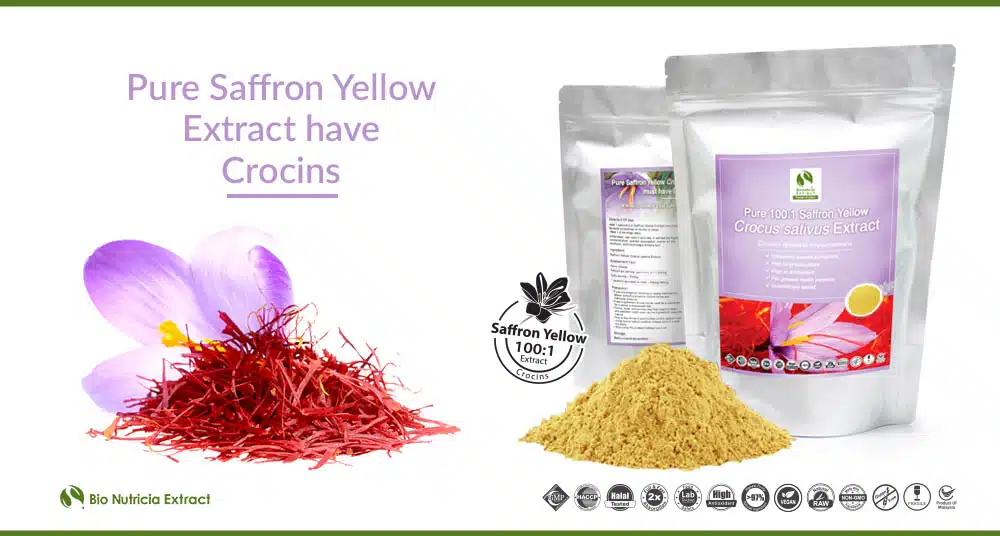
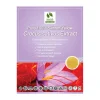
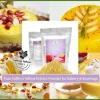
Pure Saffron Yellow Crocus Sativus have Crocins.
Saffron flower has a unique taste, it has a metallic honey with a grassy and hay-like fragrance. It contributes a luminous yellow-orange colouring to foods. Saffron is widely used in Persian, Indian, European and Arab cuisines, in dishes of jewelled rice, risotto, paella, biryani and more.
Format, Packaging and Storage
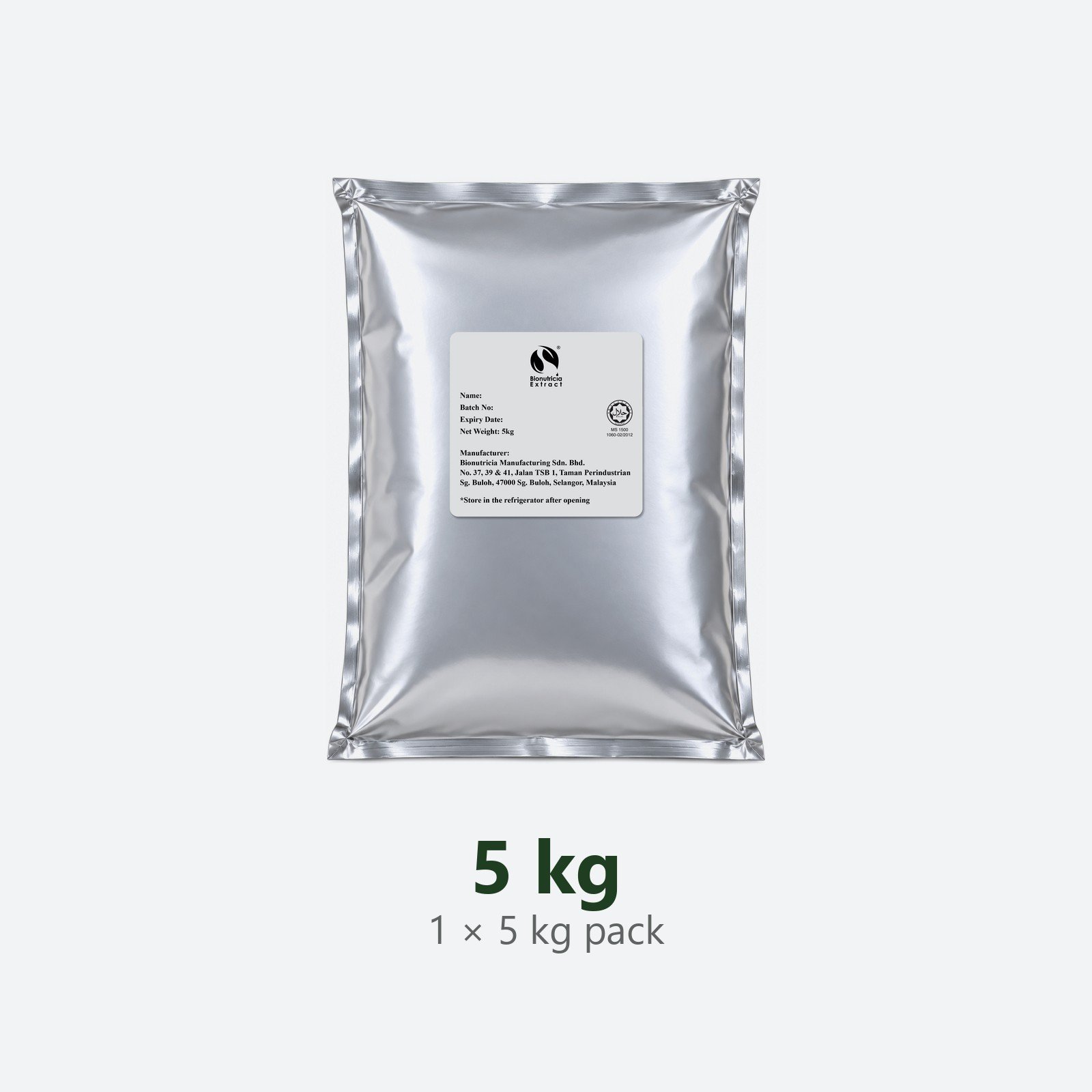
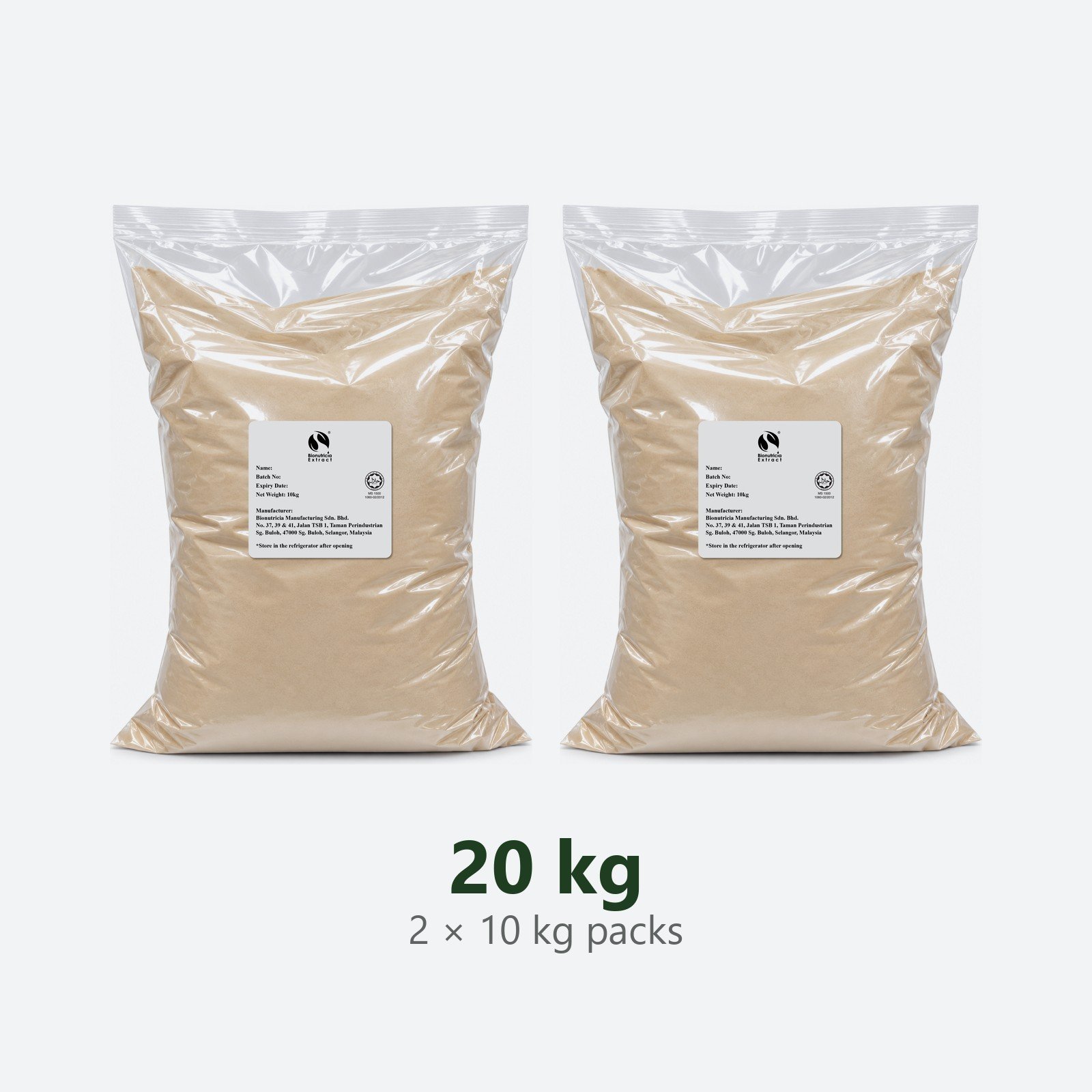
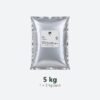
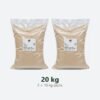
25 kg vacuum-sealed kraft bags with inner liners, or lined drums for palletised container loads. R&D sample quantities available for specification testing. Packaging options include vacuum-sealed kraft bags, lined drums, or customer-specified primary packaging for private-label projects. Palletised and shrink-wrapped for export. Store in original sealed packaging below 25°C, relative humidity below 65%, in odour-free conditions away from direct sunlight. Shelf life is 24 months from manufacture date in original sealed packaging under specified storage conditions.
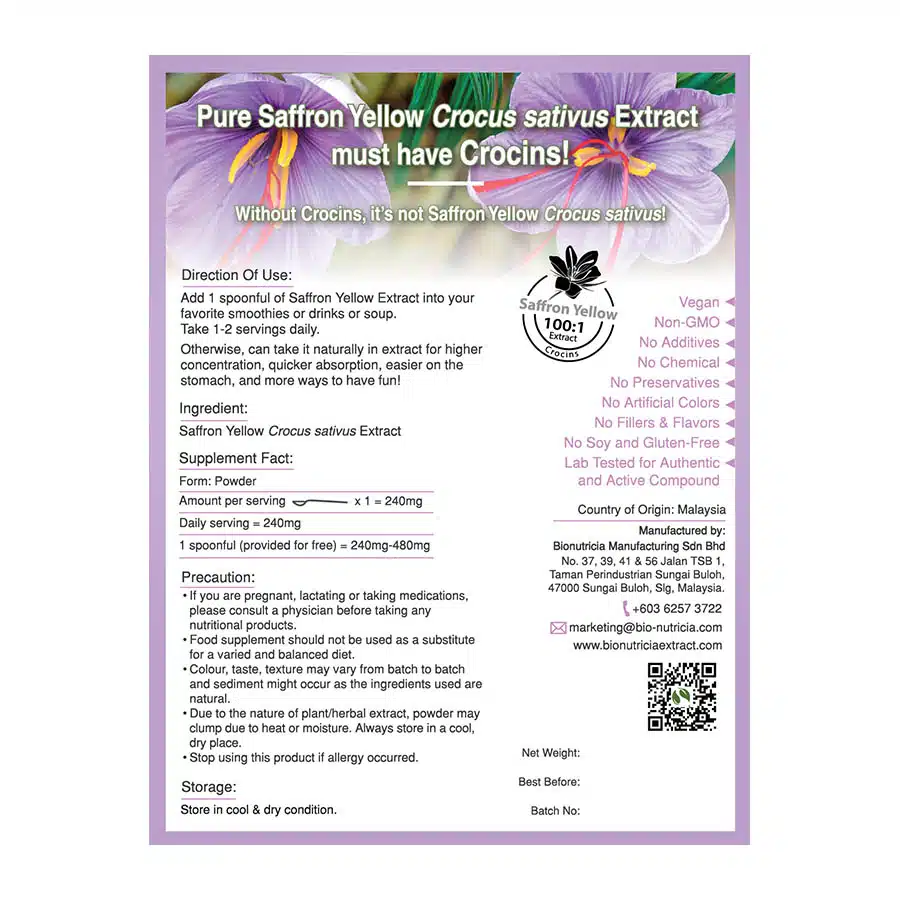
No harm/chemicals/preservatives, just harmony, manufactured naturally
- Vegan
- Non-GMO
- No Fillers
- No Flavors
- No Additives
- No Preservatives
- No Artificial Colours
- Soy and Gluten Free
Storage
- Keep in a cool & dry place. Avoid sunlight. Fridge would be best.
- Keep away from children.
- Has a shelf life of 24 months, in the original sealed packaging below 25°C, relative humidity below 65% and odour-free conditions.
- Packages should not be in direct contact with walls or floors.
Precaution
- Powder texture may vary. Some powder is fine, while some powder is coarser. Please consider this when ordering.
- Due to the nature of plant / herbal extract, powder may clump due to heat or moisture.
- Food supplements should not be used as a substitute for a varied and balanced diet.
- If you are pregnant, lactating or taking medications, please consult a physician before taking any nutritional products.
- Colour, taste, and texture may vary from batch to batch.
- Stop using this product if an allergy occurs.
Click here for more product information
What Is Saffron Extract Powder?
Saffron extract powder is a standardised ingredient produced from the dried stigmas of Crocus sativus, the saffron crocus. Each flower produces only three stigma threads, and approximately 150,000 flowers are required to yield one kilogram of dried saffron, making it one of the most valuable agricultural commodities by weight. The primary supplier regions are Iran, which accounts for the majority of global production, and Spain, where the La Mancha designation is recognised for consistent quality.
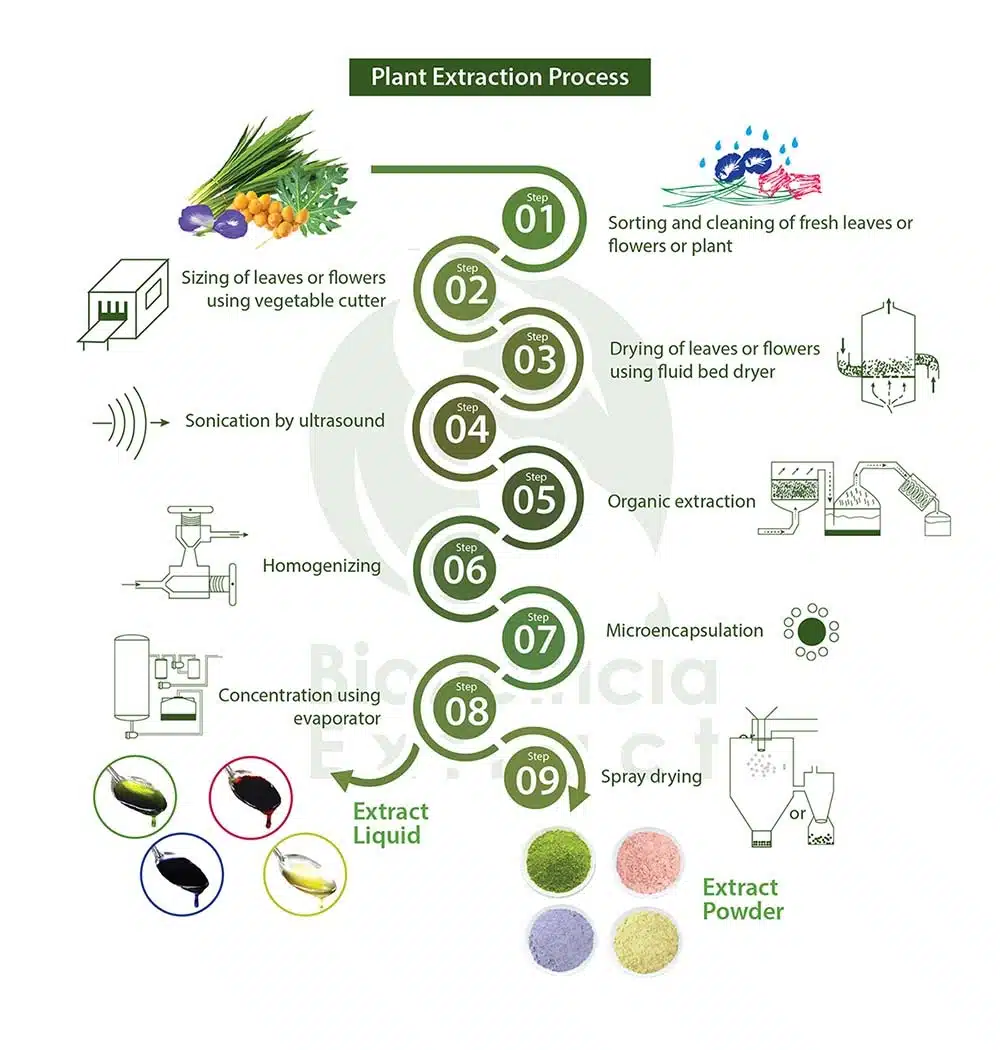
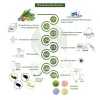
Our saffron extract powder is produced by extracting the dried stigmas in a controlled aqueous process, concentrating the crocin pigments to a standardised level, and spray-drying the resulting extract into a fine, free-flowing powder. The standardisation to crocin content (%) ensures batch-to-batch colour consistency, which is the primary specification parameter for food and beverage manufacturers using saffron as a natural colourant. The powder format eliminates the variability of whole-thread saffron, where colour strength can vary significantly between lots, origins, and harvest years.
For B2B buyers, the key advantage of a standardised extract powder over whole saffron threads is dosing precision. A powder with a declared crocin content can be weighed, mixed, and dosed in automated production with predictable colour output, whereas whole threads require subjective visual assessment and manual extraction. Our saffron extract powder is supplied as a dry bulk ingredient with full specification and batch documentation for B2B customers.
Chemistry of Saffron — Crocin and Safranal
The three compounds that define saffron’s colour, flavour, and aroma are crocin, picrocrocin, and safranal. Crocin (PubChem CID 5468400) is a water-soluble carotenoid pigment responsible for saffron’s luminous yellow-orange colour. It is a glycosylated apocarotenoid — a cleavage product of zeaxanthin — with a molecular formula of C44H64O24. Crocin is the primary standardisation marker for saffron extract powder because it directly determines colour intensity in finished food and beverage products. Higher crocin content means stronger colour at lower inclusion rates, which directly affects cost-in-use for manufacturers.
Safranal (PubChem CID 61039, 2,6,6-trimethyl-1,3-cyclohexadiene-1-carboxaldehyde) is the dominant volatile aroma compound in saffron, formed during the drying (curing) process from the degradation of picrocrocin. Safranal gives saffron its characteristic hay-like, honey-like fragrance. For buyers specifying saffron extract for flavour applications, safranal content is the aroma quality indicator and should be reported on the COA alongside crocin content.
Picrocrocin (PubChem CID 6441014) is a glycoside and the main flavour precursor in fresh saffron. It is responsible for the bitter note that balances saffron’s sweet aroma. During the curing and extraction process, picrocrocin degrades to safranal, so the ratio of picrocrocin to safranal in the finished extract indicates the degree of processing and can affect the flavour profile of the final product.
For formulators, crocin content (%) is the primary specification parameter because it determines colour strength and cost-in-use. Safranal content indicates aroma quality. Both should be confirmed on the COA for every lot, as the balance between colour and aroma compounds varies with origin, harvest year, and processing conditions.
Typical Specification Parameters
| Parameter | Why It Matters to a Buyer |
|---|---|
| Crocin content (%) | The primary colour specification. Determines colour intensity, inclusion rate, and cost-in-use. Must be verified on every COA for batch-to-batch colour consistency. Higher crocin content means stronger yellow-orange colour at lower dosage. |
| Safranal content | The primary aroma specification. Indicates the volatile fragrance strength of the extract. Should be reported alongside crocin content for buyers specifying saffron for flavour as well as colour. |
| Moisture | Excess moisture promotes caking, microbial growth, and pigment degradation during storage. Typical spray-dried powder should be below 5%. |
| Particle size | Affects dispersibility, dissolution rate, and colour release. Finer particles dissolve faster and release colour more quickly in solution. |
| Mesh size | Defines the screen specification (e.g. 80 mesh, 100 mesh). Consistency in mesh size ensures uniform behaviour across batches in automated dosing systems. |
| Bulk density | Determines volume-to-weight ratios for packaging, silo storage, and dosing equipment calibration. Low bulk density increases packaging volume per kilogram. |
| Ash content | Indicates mineral residue after incineration. High ash suggests contamination or incomplete purification. Typical specification is below 5%. |
| Heavy metals (Pb, Cd, As, Hg) | Regulatory compliance for food safety. Limits must meet destination-market standards (e.g. EU, US FDA, Codex Alimentarius). Verified on the COA for every lot. |
| Microbial limits | Total plate count, yeast & mould, E. coli, and Salmonella must be within specification. Spray drying reduces bioburden, but post-processing handling must maintain limits through to delivery. |
Where Food Manufacturers Use Saffron Extract Powder
- Beverages: Natural yellow-orange colouring for functional drinks, teas, juices, and alcoholic beverages; provides a clean-label alternative to synthetic colourants
- Dairy: Colour and flavour for yoghurts, ice cream, custards, and cream-based desserts; stable in fat-containing matrices
- Bakery: Colour and aroma for breads, cakes, pastries, and traditional items such as saffron buns and brioche
- Confectionery: Colouring for hard candies and premium chocolate coatings; distinctive golden hue for luxury product lines
- Savoury: Colour and flavour for rice dishes, sauces, soups, marinades, and ready meals; replaces whole saffron threads with a dosing-precise powder
- Functional foods: Standardised crocin content for nutritional premixes and functional beverage formulations where colour consistency is required
Format, Packaging and Storage
25 kg vacuum-sealed kraft bags with inner liners, or lined drums for palletised container loads. R&D sample quantities available for specification testing. Packaging options include vacuum-sealed kraft bags, lined drums, or customer-specified primary packaging for private-label projects. Palletised and shrink-wrapped for export.
Saffron pigments are light-sensitive. Crocin degrades under prolonged UV and visible light exposure, causing colour loss over time. Store in original sealed packaging below 25°C, relative humidity below 65%, in odour-free conditions away from direct sunlight. Opaque or light-blocking packaging is recommended for extended storage. Shelf life is 24 months from manufacture date in original sealed packaging under specified storage conditions.
Quick Facts for Formulators
- Botanical name: Crocus sativus L.
- Plant part: Dried stigmas (three per flower)
- Key colour compound: Crocin (PubChem CID 5468400) — water-soluble carotenoid pigment
- Key aroma compound: Safranal (PubChem CID 61039) — volatile aldehyde
- Key flavour compound: Picrocrocin (PubChem CID 6441014) — glycoside, bitterness precursor
- Extraction method: Aqueous extraction from dried stigmas, standardised for crocin content, spray-dried into powder
- Appearance: Deep red-brown to dark orange fine powder
- Colour in solution: Luminous yellow-orange
- Shelf life: 24 months in original sealed packaging below 25°C, protected from light
- Documentation: COA and specification sheet provided with every shipped lot
- Certifications: JAKIM Halal, GMP, HACCP, FSSC 22000, MeSTI
How to Qualify a Saffron Extract Powder Supplier
- Request a recent COA with crocin content (%), safranal content, moisture, ash, heavy metals, and microbial results for the offered lot
- Verify the specification sheet lists particle size, mesh size, bulk density, and crocin content values
- Confirm crocin content is consistent batch-to-batch, as colour strength directly affects finished-product appearance and cost-in-use
- Check that heavy metals meet destination-market regulatory limits (EU, US FDA, Codex Alimentarius)
- Validate microbial limits include total plate count, yeast & mould, E. coli, and Salmonella
- Request an allergen declaration and list of processing aids used during extraction and spray-drying
- Ask for evaluation samples to test colour intensity, solubility, and aroma in your specific formulation matrix
- Confirm halal, GMP, HACCP, and FSSC 22000 certifications are current and facility-level
- Verify export documentation, packing lists, and lead-time commitments for your order volume
- Confirm the supplier can provide private-label packaging and OEM services if required
Frequently Asked Questions
What is the MOQ for saffron extract powder?
MOQ depends on the product format and current stock. We supply single-bag R&D quantities up to full drum, pallet, and container loads. Contact sales with your target volume and packaging to receive an MOQ and quotation.
Can you provide a COA and specification sheet before purchase?
Yes. We provide a recent COA for the suggested lot and a full specification sheet to support regulatory checks and in-house testing.
Are samples available for specification testing?
Yes. Production samples and small evaluation packs are available for testing. Contact sales to request a sample and advise the intended application so we can match the right product grade.
What lead times should I expect?
Lead times vary with order size, stock, and destination. Provide required quantity, packaging, and delivery address for an accurate delivery estimate.
How is crocin content standardised and verified?
Crocin content is standardised during the extraction and concentration process and verified by spectrophotometric or HPLC analysis on every lot. The declared crocin content (%) is reported on the COA for each shipped batch.
Do you provide private-label packaging and OEM services?
Yes. Private-label and OEM services are available. Contact sales to discuss formulation, packaging, and regulatory labelling requirements.
Supply Saffron Extract Powder in Bulk With Bionutricia
Bionutricia Manufacturing supplies saffron extract powder as a bulk ingredient for food, beverage, and supplement manufacturers. We provide COA and full specification sheets for every lot, MOQ-friendly pack sizes, and private-label/OEM services. Export documentation and halal certificates are available for international shipments. Our standardised crocin content ensures batch-to-batch colour consistency for your production line.
FSSC 22000
GMP
HACCP
JAKIM Halal
US FDA
MeSTI
NanoVerify