Green Apple Extract & Flavour Powder: Standardisation, Sourcing and Formulation Facts for Bulk Buyers
Formulator’s summary: Green Apple Extract Powder is a real extraction product on Bionutricia’s own production line — confirmed by Bionutricia’s own internal batch extraction record and a certificate of analysis issued under the name “Apple Extract Powder.” It is derived from apple (Malus domestica) and built around the tart, crisp, fresh character that “green apple” describes in flavour and extract work — a profile driven chemically by malic acid, apple’s dominant organic acid, rather than by a single named phytochemical marker. Because the specification is sensory-led rather than a single HPLC-assayed active, the certificate of analysis a buyer should ask for looks different from a standardised actives extract: carrier declared, solubility confirmed, sensory profile matched batch to batch, allergen and microbiological statements in place. It is generally water-soluble and disperses readily, suiting beverages and cordials, ice-cream and frozen desserts, bakery systems, sachet drink mixes, dry powder blends and cosmetic applications where a consistent tart-apple note is a formulation requirement. Exact batch figures such as concentration/extraction ratio and flavour-strength index vary by production lot — contact us for the current specification; see the quick-facts card below for what is and isn’t sourced.
Quick facts for formulators
- Botanical source: Malus domestica (apple); “green apple” describes a tart, fresh flavour and aroma character rather than a single named cultivar
- Ingredient type: Apple Extract Powder — confirmed as a genuine fruit extraction, not a compounded flavour, by Bionutricia’s own internal batch extraction record and its certificate of analysis; specified through flavour intensity and sensory/aroma consistency rather than one HPLC-assayed active marker
- Key taste driver: Malic acid, the dominant organic acid in apple, is the primary contributor to the tart profile that “green apple” flavour work is built around
- Standardisation basis: Typically controlled by flavour intensity and sensory/aroma matching rather than a single compound assay; for the exact flavour-strength index of a current batch, contact us for the current specification
- Concentration / extraction ratio: Confirmed as extracted and documented per batch on Bionutricia’s internal certificate of analysis; the specific ratio for a given production lot is proprietary to that batch — contact us for the current specification
- Carrier / format: Green apple extract/flavour powders are commonly spray-dried onto a food-grade carrier (e.g. maltodextrin or gum arabic) to give a free-flowing powder; for the specific carrier used in the current batch, contact us for the current specification
- Solubility: Typically water-soluble and readily dispersible, consistent with other spray-dried fruit extract powders
- Certifications: Produced at a facility holding FSSC 22000, JAKIM Halal, GMP, HACCP, MeSTI and US FDA facility registration
What “green apple” means in an extract or flavour powder
Apple (Malus domestica) is one of the most widely cultivated temperate fruits, and “green apple” in flavour and extract work is a descriptor for a tart, crisp, fresh-fruit character rather than a distinct botanical species. It is generally associated with tart, higher-acid apple cultivars — the type commonly sold as green-skinned eating apples — as opposed to the sweeter, lower-acid profile of many red dessert apples. For a food or beverage formulator, a “green apple” ingredient is chosen for that tart-fresh top note, and the specification that matters is how consistently the supplier can reproduce that flavour character batch to batch, not a single named active compound.
Commercially, ingredients sold under this name fall into two related categories: a fruit-derived extract, which concentrates juice solids and aroma compounds from real apple material, and a flavour powder, which is built from natural or nature-identical flavouring compounds carried on a food-grade carrier and spray-dried into a free-flowing powder. Bionutricia’s own production runs a dedicated green apple extraction batch and issues a certificate of analysis under the name “Apple Extract Powder” — confirming this SKU is a genuine fruit-derived extract rather than a compounded flavour. The exact extraction ratio, yield and flavour-strength index for a specific production lot are documented on that certificate; contact us for the current specification to request them.
Standardising a flavour ingredient: what “specification” means here
The difference between a standardised actives extract and a flavour ingredient like green apple is a difference in what “standardised” means. An actives extract (ginseng, black ginger and similar botanicals) is standardised to a named marker compound, assayed by HPLC on every batch, because the marker is what a formulator is dosing for. A flavour ingredient like green apple extract powder is instead standardised to a consistent sensory and functional profile: flavour intensity, aroma character, solubility and colour, typically confirmed by a combination of sensory panel evaluation and, where a supplier runs it, aroma/GC profiling against a reference standard.
Malic acid is well established as the principal organic acid in apple and is the main chemical contributor to its characteristic tartness; it is the reason “green apple” reads as sharper and fresher than a sweeter apple profile in a finished formulation. Beyond that broad, uncontroversial point, this article does not assign a specific assay percentage, extraction ratio or flavour-strength index to this batch — those figures sit on Bionutricia’s internal certificate of analysis for the current batch; contact us for the current specification rather than have them invented here.
What to check on the specification sheet before ordering:
- Ingredient type declared: fruit-derived extract vs. flavour powder built on a carrier — confirmed as an extract for this SKU
- Carrier/excipient named: e.g. maltodextrin, gum arabic, or another food-grade carrier, with the ratio if declared
- Sensory/flavour matching method: panel evaluation, reference-standard comparison, or GC aroma profiling
- Solubility and appearance: confirmed water solubility, powder colour and particle form
- Batch identification: lot number linking the COA to the specific batch, confirmed on Bionutricia’s internal batch extraction record on file
- Allergen and microbiological statements: standard food-safety documentation for the batch
Extraction and production method
In the food-flavour industry generally, apple-derived flavour ingredients are produced by one or a combination of established routes: pressing and concentrating apple juice solids, extracting the aroma fraction from apple fruit material using aqueous or food-grade solvent extraction, or compounding natural/nature-identical flavouring substances to reproduce the tart-apple profile. Bionutricia’s own green apple SKU is produced by dedicated in-house extraction — confirmed by Bionutricia’s own internal batch extraction record — rather than flavour compounding, with the resulting extract typically spray-dried onto a food-grade carrier to produce a free-flowing powder suitable for dry-blend formulation. The exact process parameters used for this SKU are proprietary to Bionutricia; contact us for the current specification sheet and COA.
Solubility and formulation considerations
Spray-dried fruit extract powders of this type are generally water-soluble and disperse readily in aqueous systems, which is what makes them practical across a wide range of formats. Typical downstream applications for a green apple extract powder include beverages and cordials, ice-cream and frozen desserts, bakery systems, sachet drink mixes, dry powder blends and cosmetic applications where a tart-fresh apple note or light acidity is a formulation requirement.
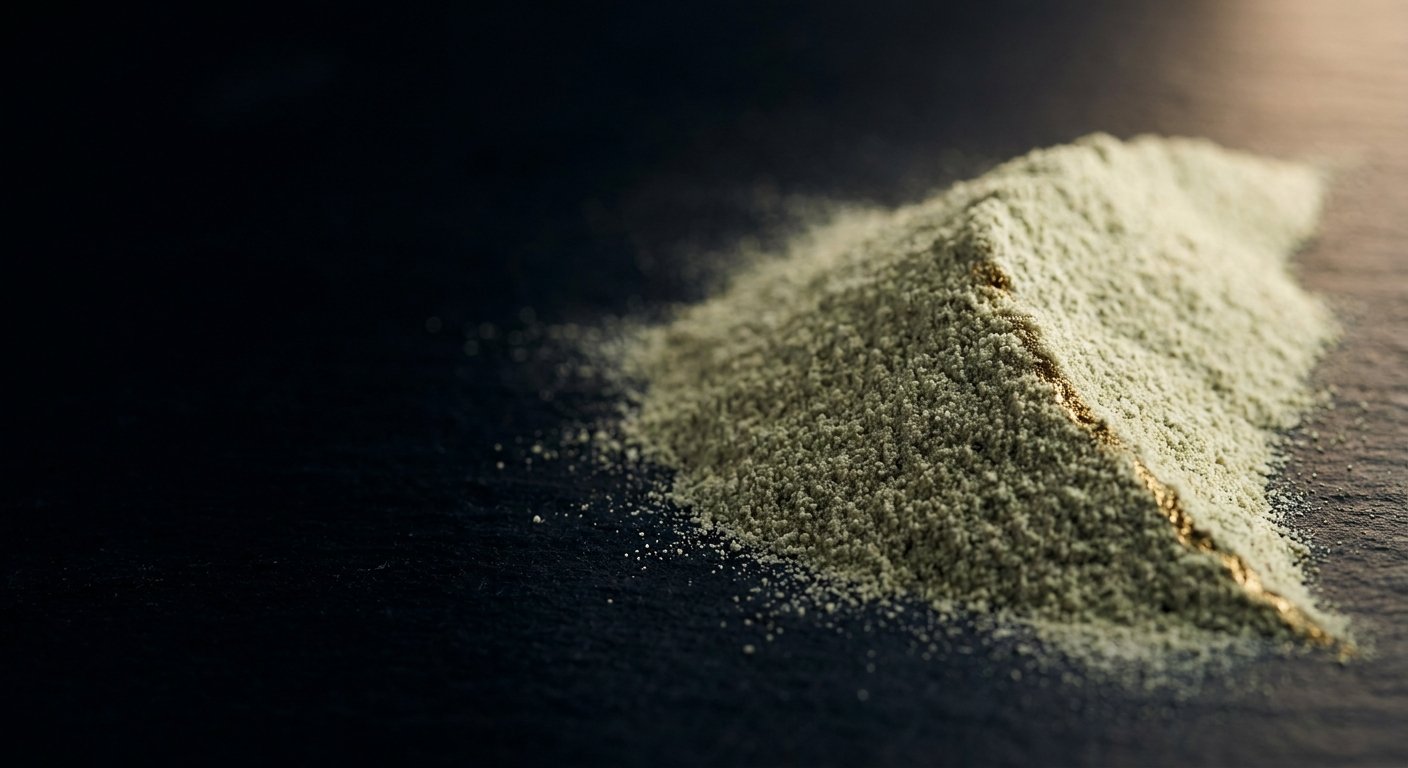
In a dry-blend application, the powder should be pre-dispersed in a small volume of liquid or dry-blended thoroughly with a carrier before it is added to the main batch, to avoid localised clumping and to keep the flavour distribution even across servings. Because the tart character is acid-driven, formulators working in clear beverages and cordials should also check the ingredient’s effect on finished pH and how it interacts with other acidulants already in the recipe. The powder’s own colour — typically pale cream to off-white for a fruit extract powder — is a separate formulation consideration from its flavour contribution, and should be checked against the target product’s visual profile, especially in bakery systems and frozen desserts where colour carries through to the finished product.
Supplying green apple extract powder in bulk
Bionutricia Extract supplies Green Apple Extract Powder for bulk B2B buyers — a real, in-house extraction confirmed by Bionutricia’s own internal batch extraction record and issued under a certificate of analysis — produced at a facility holding FSSC 22000, GMP, HACCP, JAKIM Halal, MeSTI and US FDA facility registration. Bulk supply, custom specification, spray-dried and powder formats, documentation and export paperwork, and packing options are available on request — and where a buyer needs the confirmed extraction/concentration ratio, carrier declaration or sensory-matching method for a specific order, our team can issue the current specification sheet and certificate of analysis directly.
For specifications, samples, and bulk quotations, contact our team.
Related ingredient guides
- Berry Powder Bulk Ingredient Comparison Guide
- Blueberry Extract Powder (Cyanococcus)
- Standardised Botanical Extract COA Requirements: Marker Compounds, Assay Methods and Acceptance Criteria
Frequently asked questions
Is green apple sold as a real extract, or is it a compounded flavour? For Bionutricia’s current SKU, it is a genuine fruit extraction — confirmed by Bionutricia’s own internal batch extraction record and a certificate of analysis issued under the name “Apple Extract Powder,” not a compounded flavour built from flavouring substances on a carrier.
What does “green apple” mean in an extract, if it isn’t a separate species? It describes a tart, crisp, fresh-fruit flavour and aroma profile associated with tart, higher-acid apple (Malus domestica) cultivars, rather than naming a distinct botanical species. Bionutricia’s SKU is specified and controlled for that sensory character rather than for a single assayed compound.
What makes green apple taste tart, and how is that captured in an extract? Malic acid is the dominant organic acid in apple and is the main chemical contributor to its tartness. Bionutricia’s green apple extract is built to reproduce that tart-fresh character consistently, typically matched through sensory panel evaluation and, where run, aroma profiling against a reference standard, rather than through a single marker-compound assay.
Is green apple extract powder water-soluble, and what does that mean for formulation? Spray-dried fruit extract powders of this type are generally water-soluble and disperse readily in aqueous systems. That solubility is what makes them workable across beverages and cordials, ice-cream and frozen desserts, bakery systems, sachet drink mixes, dry powder blends and cosmetic applications.
What applications suit a green apple extract powder? Typical applications include beverages and cordials, ice-cream and frozen desserts, bakery systems, sachet drink mixes, dry powder blends and cosmetic applications — anywhere a consistent tart-apple note or light acidity is a formulation requirement.
What should I ask for on the specification sheet before ordering in bulk? Ask the supplier to confirm the ingredient type (fruit-derived extract vs. carrier-based flavour powder), the carrier used, the sensory or aroma-matching method, confirmed solubility and appearance, the batch lot number, and standard allergen and microbiological statements. Any figure not shown on the COA — such as an exact extraction ratio — should be requested directly rather than assumed.