Every botanical extract has two dose ceilings, not one: the dose that is functionally useful, and the highest dose a person will still willingly consume. Development briefs almost always record the first and almost never record the second — and the gap between them is where functional products quietly fail. The fix is to establish the sensory ceiling in milligrams, in the real matrix, before the label claim is locked, and then design the gap deliberately.
Quick facts
- Ceiling one — the efficacious dose, set on a balance against a standardised marker.
- Ceiling two — the sensory ceiling, set on a taste panel in the finished matrix.
- Bitterness is the active, not a defect: polyphenols, saponins and terpenes taste of what they are.
- The ceiling moves with sweetness, acid, fat, carbonation and serving temperature.
- Four routes close the gap: mask, concentrate, change format, or split the dose.
The two ceilings, explained
Most formulation briefs arrive with a single number attached to the extract: the inclusion level needed to justify the positioning. That number is defended carefully, because it is the one the whole product rests on.
There is a second number that rarely appears anywhere in the brief. It is the highest inclusion level at which a consumer will finish the serving and buy it again. It is not a chemistry number and it cannot be calculated from the specification — it has to be measured on people, in the actual product.
When the two numbers overlap comfortably, development is straightforward. When the efficacious dose sits above the sensory ceiling, the product cannot ship as designed, and that is usually discovered at the pilot batch — long after the claim, the pack copy and the artwork have been committed.
Why the bitterness is the active
It is tempting to treat an unpleasant taste as a quality problem, as though a better-made extract would be neutral. In most cases the opposite is true. The compounds that carry the function are the same compounds that carry the taste.
Polyphenols are astringent. Many saponins are bitter and foaming. Terpenes are aromatic and can read as medicinal or soapy at higher loads. A process aggressive enough to remove all of that character will usually also reduce the marker content the buyer is paying for.
That is why the useful question is not how do we make this taste of nothing, but how much of this character can the finished product carry, and what do we do with the remainder.
What moves the sensory ceiling
The ceiling is not a fixed property of the ingredient. The same milligram load behaves differently depending on what surrounds it:
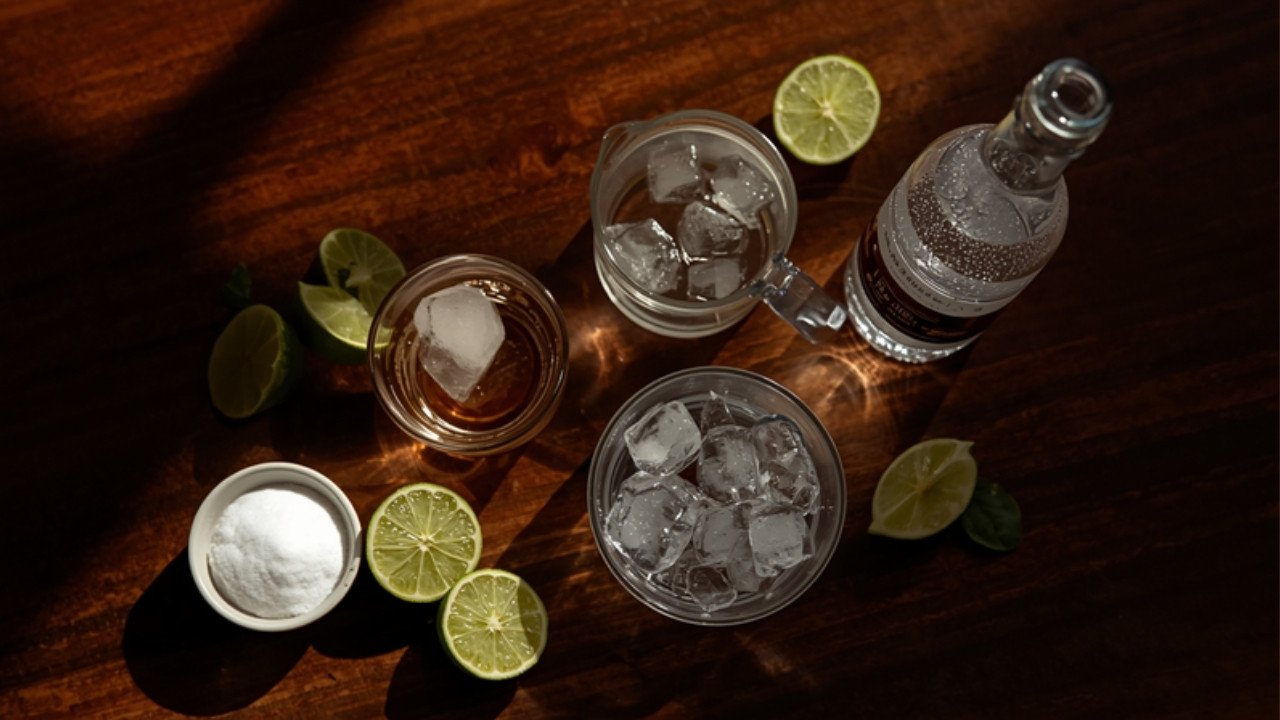
- Sweetness — suppresses perceived bitterness, which is why the same extract is far more tolerable in a sweetened drink than in a neutral one.
- Acid — shifts the balance and can either sharpen or mask, depending on the compound class.
- Fat and protein — bind some phenolics and reduce the intensity that reaches the palate.
- Carbonation — adds its own bite and changes how quickly aroma is released.
- Serving temperature — warm servings release far more volatile character than chilled ones, so a product that passes cold can fail hot.
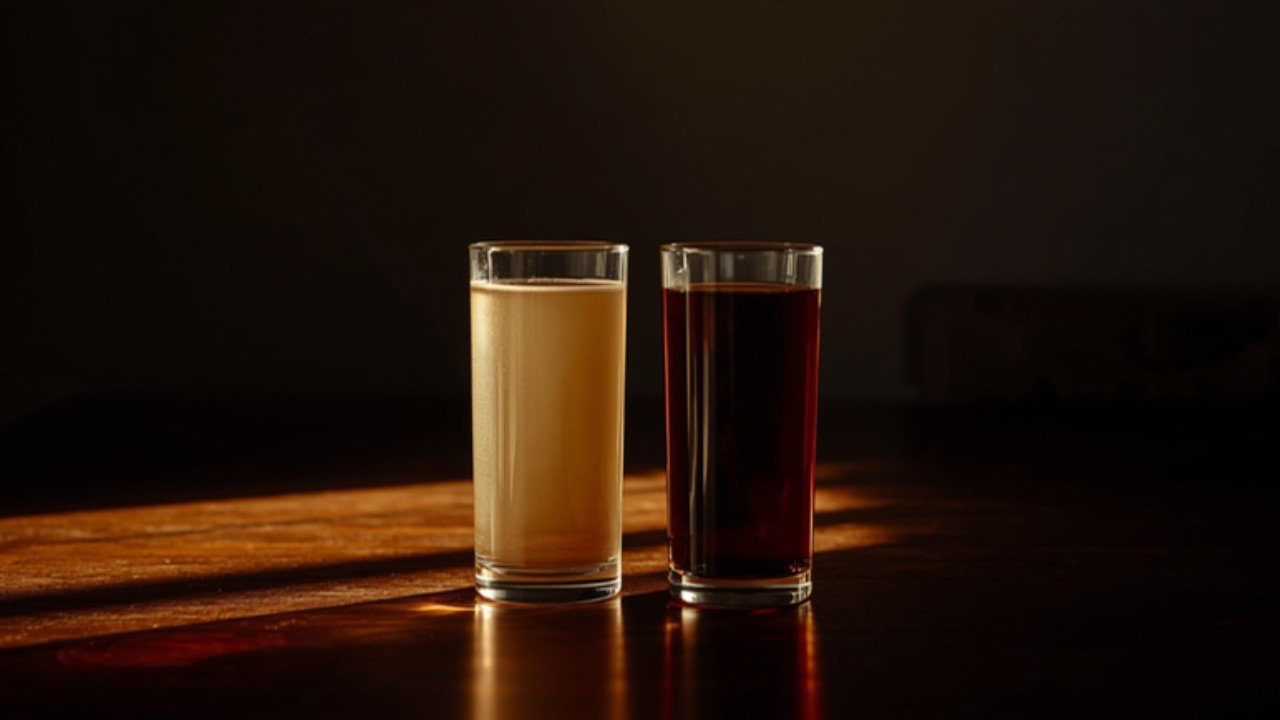
This is also why a supplier use range spans a genuinely wide band. Our mint liquid concentrates, for example, carry a published range of 2–8%; the bottom and the top of that range are not the same experience in the mouth, and the correct point within it is a decision for the finished formulation, not a default.



Four routes to close the gap
When the efficacious dose sits above the sensory ceiling, there are four honest options. Most successful products use two of them together.
1. Mask it. Sweeteners, salts and dedicated bitter blockers reduce what reaches the palate. In published sensory work on olive leaf extract polyphenols, sucrose reduced perceived bitterness by roughly a quarter at a 20 mg per 100 g load. Masking is the fastest route, but it has a ceiling of its own and it adds cost and label length.
2. Concentrate it. A standardised active fraction delivers the same marker load in fewer milligrams of total material, so less of the surrounding matrix — and less of the character it carries — rides along with it. This is often the cleanest structural fix, because it changes the arithmetic rather than hiding the result.
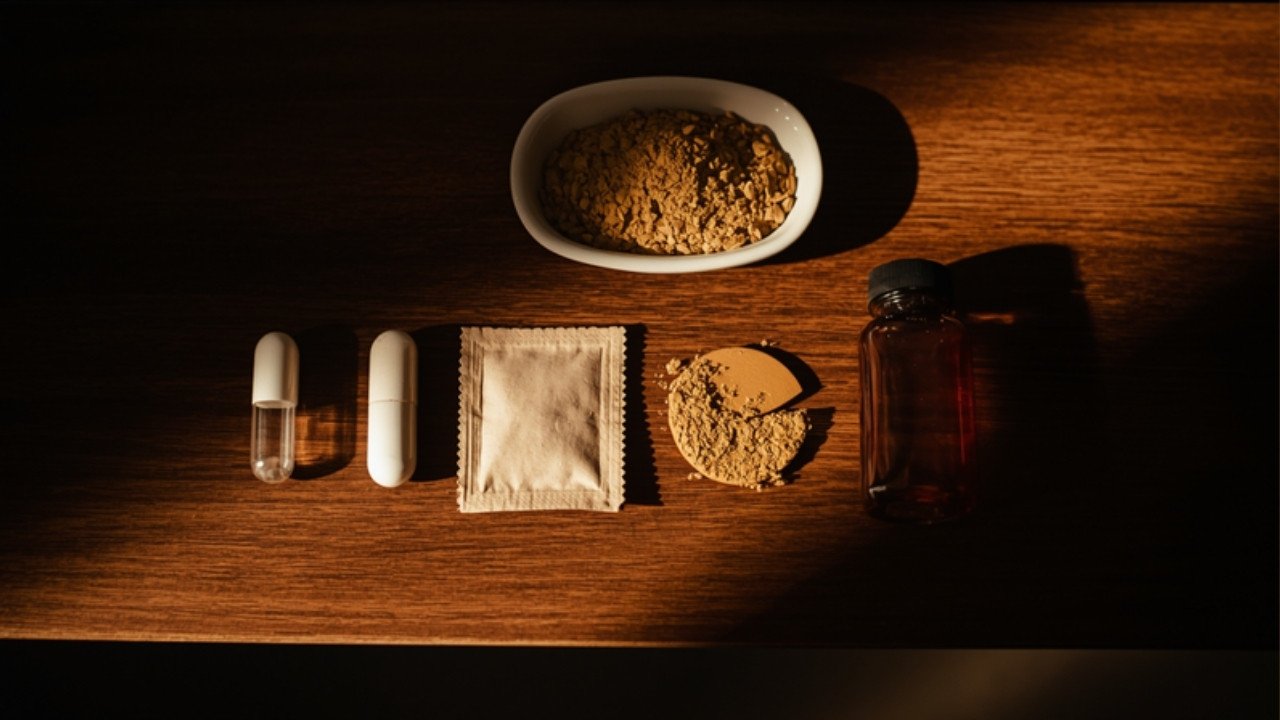
3. Move the format. Bionutricia supplies the bulk ingredient for B2B formulation; brand owners and manufacturers formulate it into their chosen finished format. Where the sensory ceiling cannot be reconciled with a beverage, the same ingredient may work without difficulty in a capsule, tablet, stick sachet or other enclosed format, where taste exposure is minimal.
4. Split the dose. Two smaller servings across a day can keep each individual serving below the ceiling while the daily total stays intact. This is a positioning decision as much as a formulation one, and it needs to be made early.
A working sequence before you lock the claim
- Fix the target marker load per serving, and write it down in milligrams rather than percentages.
- Prepare the extract at that load in the intended finished matrix — the real sweetness, acid and fat system, not water.
- Taste it at the intended serving temperature, with a small panel rather than one person.
- Step the load down until it is comfortably acceptable. That point is your sensory ceiling.
- Compare the two numbers. If the gap is small, masking will usually close it. If the gap is large, change the fraction or change the format — do not try to rescue it with flavour.
- Only then lock the label claim and commission the artwork.
The sequence costs a few days early on. Discovering the same information after the print run costs a reformulation.
How Bionutricia supports this
Bionutricia has manufactured standardised botanical extracts and active fractions in Malaysia since 2006, supplying bulk ingredients to brand owners and manufacturers for B2B formulation. Where a taste constraint is part of the brief, the practical support is usually in choosing between a whole extract and a more concentrated active fraction, and in agreeing a standardised marker range that keeps the required load as low as it can honestly go.
Our in-house team includes a pharmacist, a nutritionist, a dietitian and a PhD-qualified researcher, and the facility operates to FSSC 22000, GMP, HACCP, JAKIM Halal, US FDA and MeSTI standards, with NanoVerify certification for our nanotechnology work.
Related guides
- Taste, Bitterness & Off-Note Masking in Botanical Extract Formulation
- Formulating Botanical Extracts into Functional Beverages
Frequently asked questions
What is a sensory ceiling in extract formulation?
The sensory ceiling is the highest inclusion level of an extract at which consumers will still willingly finish the serving. It is measured on a taste panel in the finished matrix at the intended serving temperature, not calculated from the specification.
Why do briefs miss the sensory ceiling?
Because the efficacious dose is a chemistry number that can be set early from marker content, while the sensory ceiling can only be measured once a realistic finished matrix exists. Teams therefore lock the label claim against the first number and meet the second at the pilot batch.
Can bitterness simply be removed from a botanical extract?
Rarely without cost. The polyphenols, saponins and terpenes responsible for the taste are usually the same compounds responsible for the function, so processing aggressive enough to remove the character tends to reduce the marker content as well.
Does an active fraction help with taste?
Often yes, indirectly. A more concentrated active fraction supplies the same marker load in fewer milligrams of total material, so less of the surrounding matrix and its character is carried into the finished product.
Which formats avoid the taste problem entirely?
Enclosed formats such as capsules, tablets and stick sachets limit taste exposure compared with beverages. Bionutricia supplies the bulk ingredient; brand owners and manufacturers formulate it into their chosen finished format.