Technical & supplier guide — MCT powder (spray‑dried medium‑chain triglyceride oil)
A direct, B2B reference for formulators and procurement: what to request from suppliers, powder‑vs‑oil formulation decisions, carrier systems, stability testing and the supplier qualification checklist.
Overview & quick specs to request
- Fatty‑acid profile: C8 vs C10 ratio (% of total FAME).
- Oil loading: % oil‑by‑weight (common: 35–70% depending on carrier).
- Oxidation & quality: peroxide value (PV), p‑anisidine, TBARS, FFA.
- Physical: residual moisture, bulk density, particle size, free oil (% surface oil).
- Process & carrier: encapsulation method, carrier identity and spec (maltodextrin DE, gum arabic, modified starch, protein type).
Powder vs oil — carrier systems & encapsulation choices
Use free MCT oil when an unencapsulated lipid phase is required (softgels, spoonable oils). Use MCT powder for dry‑mix handling, instant beverages, sachets and powdered supplements. Carrier effects:
- Maltodextrin: neutral flavour, good yield; may be hygroscopic at high DE.
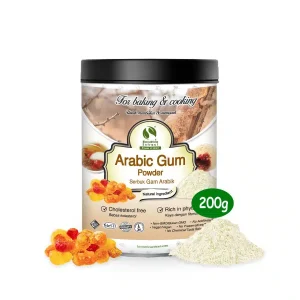
- Gum arabic: lower hygroscopicity and better surface oil control — useful in humid climates and instant RTD systems.
- Modified starches / proteins: improve mouthfeel and emulsification on rehydration; proteins require allergen declarations.
- Encapsulation approaches: spray‑drying is the baseline; multilayer or complex coacervation methods reduce free oil and improve oxidation resistance at higher oil loads.
Stability & formulation checks (pilot testing)
Run these tests in the finished matrix and on pilot batches before commercial release:
- Oil migration / free oil: solvent extraction or centrifugal methods after accelerated storage (40°C/75% RH) and realistic shelf testing.
- Oxidation tracking: PV, p‑anisidine and TBARS at T0 and scheduled intervals.
- Process resilience: test high‑shear mixing, tableting and encapsulation for capsule/tablet formats to confirm microcapsule integrity.
- Sensory & reconstitution: powder solubility, mouthfeel and greasiness in RTD beverages and instant mixes.
- Dose equivalence: calculate powder mass from supplier % oil (e.g. required powder = oil target ÷ oil‑by‑weight).
Supplier qualification, resources & references
Minimum procurement pack: batch COA (C8/C10, PV, FFA, moisture, microbes, heavy metals), manufacturing and carrier specs (DE, protein type), allergen control statement, packaging/barrier spec, certificates (GMP/HACCP/FSSC or equivalent) and pilot trial support. For related Bionutricia resources see:
- MCT Oil Powder — product & tech pack
- Water‑soluble vs oil‑soluble botanical extracts
- Virgin Coconut Oil (VCO) Powder
Selected peer‑reviewed reads: review articles and clinical summaries on MCT metabolic effects (examples: https://pmc.ncbi.nlm.nih.gov/articles/PMC6927614/ ; https://pmc.ncbi.nlm.nih.gov/articles/PMC9579472/ ).
FAQs
What is MCT powder and how is it made?
Spray‑dried or microencapsulated MCT oil combined with carriers such as maltodextrin, gum arabic, modified starch or protein; the oil is emulsified with carrier solution then spray‑dried to a free‑flowing powder.
How do I calculate active oil equivalent when replacing oil with powder?
Divide the desired oil mass by the powder’s % oil‑by‑weight from the supplier COA (e.g. 1 g oil ÷ 0.45 = 2.22 g powder for a 45% oil powder).
Which carriers resist oil migration in humid climates?
Gum arabic and some modified starch blends generally resist humidity better than high‑DE maltodextrin alone; accelerated humidity testing is essential for tropical markets.
Does MCT powder change MCT absorption?
The fatty‑acid structure is unchanged; carriers and encapsulation can slow oil release relative to free oil and may modestly alter absorption kinetics.
What stability tests should I require from suppliers?
PV, p‑anisidine and FFA on the COA at dispatch plus accelerated stability data (e.g. 40°C/75% RH) showing PV evolution; repeat tests on finished blends over shelf life.
How do I verify allergen and clean‑label suitability?
Confirm carrier identity and request an allergen control statement, GMP/HACCP certificates and any export certificates (halal/organic). If a protein carrier is used, label accordingly.