Yogurt Powder: The Complete B2B Buyer’s Guide for Food Manufacturers
Direct answer: Yogurt powder is cultured milk that has been fermented, then spray-dried into a fine, free-flowing powder that keeps the characteristic tang, creamy dairy note and functional properties of yogurt without the water weight, refrigeration burden or short shelf life of the liquid product. For B2B buyers, the practical questions are: how the powder is made, what specification parameters to lock into a purchase agreement (moisture, particle size, fat and protein levels, microbial limits), which finished-goods categories it performs well in (bakery, snack seasoning, sauces and dressings, powdered beverage and smoothie mixes, ranch- and dairy-style seasoning blends), what format it ships in, and what quality documentation a supplier should be able to produce on request. This guide walks through each of those points and closes with the certification and format questions to raise with any bulk yogurt powder supplier before you commit to a purchase order.
GMP
HACCP
JAKIM Halal
US FDA
MeSTI
NanoVerify
What Is Yogurt Powder?
Yogurt powder starts as ordinary yogurt — pasteurised milk cultured with lactic-acid-producing bacteria until the milk proteins set and the characteristic tang develops. That cultured base is then concentrated and spray-dried, removing most of the water content and leaving a fine, pale-cream powder that carries the flavour, mouthfeel and functional dairy properties of yogurt in a stable, shelf-durable form. Because drying removes water rather than fermentation by-products, the powder retains the tartness and dairy richness that food formulators use to flavour and texturise a finished product, while being far easier to store, weigh, blend and transport than liquid yogurt.
Because most commercial spray-drying processes are not designed to keep bacterial cultures alive through the heat of drying, yogurt powder used in food manufacturing is generally valued for its flavour, colour, mouthfeel and functional dairy chemistry — not as a live-culture ingredient. Buyers formulating for a probiotic or live-culture claim need an entirely different, cold-chain-protected ingredient category and should not assume a standard spray-dried yogurt powder carries live cultures unless the supplier explicitly documents and guarantees viable count at time of use.
Where the Tang Comes From: Yogurt’s Flavour Chemistry
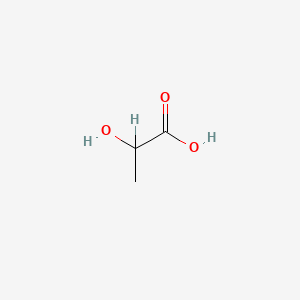
The sharp, tangy note that distinguishes yogurt powder from plain milk powder comes from lactic acid, the organic acid produced when lactic-acid bacteria ferment the lactose naturally present in milk. Lactic acid lowers the pH of the cultured base, which is what causes milk proteins to set into yogurt’s characteristic texture and gives the finished powder its identifiable tartness once it is rehydrated or blended into a dry mix. Understanding this chemistry is useful for formulators because it explains why yogurt powder behaves differently from sweet dairy powders in a recipe — it needs to be balanced against other acids, sugars and dairy solids already in a formulation rather than treated as a simple milk-powder substitute.
Typical Specification Parameters to Confirm With a Supplier
Every food manufacturer buying yogurt powder in bulk should agree a written specification sheet before the first purchase order, rather than relying on a generic product description. The parameters below are the ones that most commonly appear on a yogurt powder specification and the reason each one matters to a formulator.
| Parameter | Why It Matters to a Buyer |
|---|---|
| Moisture content | Lower, well-controlled moisture supports free flow, resistance to caking, and a longer stable shelf life in ambient storage. |
| Fat content | Fat level affects mouthfeel, richness and how the powder behaves when blended into a dry mix versus a baked or extruded matrix. |
| Protein content | Milk protein level influences texture, browning behaviour in baked goods, and how the powder interacts with other functional ingredients in a formulation. |
| Particle size / mesh | Determines how well the powder disperses in dry-blend seasoning, coats a snack surface evenly, or dissolves in a powdered beverage mix. |
| Microbial limits | Standard food-safety parameters (total plate count, yeast and mould, pathogen indicators) that should be documented on every certificate of analysis. |
| Solubility / dispersibility | Relevant for beverage and sauce applications where the powder needs to rehydrate smoothly without clumping. |
Where Food Manufacturers Use Bulk Yogurt Powder
Because it delivers dairy tang and richness without the handling burden of a liquid ingredient, yogurt powder shows up across several finished-goods categories:
- Snack seasoning: ranch- and sour-cream-and-onion-style seasoning blends for chips, crackers and extruded snacks.
- Bakery: a dairy-tang note in crackers, breadsticks and savoury baked goods.
- Sauces and dressings: dry-mix bases for dips, dressings and sauce powders that are rehydrated by the end manufacturer or the consumer.
- Powdered beverages and smoothie mixes: a dairy base note in fruit-and-yogurt style powdered drink mixes.
- Confectionery and coatings: yogurt-flavoured coatings and inclusions where a tangy dairy note is the target flavour profile.
Format, Packaging and Storage
Bulk yogurt powder is supplied in powder format — one of Bionutricia’s standard OEM-supported formats alongside liquid or gel sachets, pouch beverages, chewable tablets and liquid bottles for finished-product development. As a dairy powder, it should be packed in a moisture-barrier bulk format (typically a lined bag-in-box or multi-layer sack) and stored in a cool, dry area away from direct sunlight and strong odours, since dairy powders can pick up ambient moisture and off-flavours if storage conditions are poor. Buyers should confirm the supplier’s recommended shelf life and storage conditions on the certificate of analysis or product data sheet rather than assuming a generic dairy-powder shelf life applies.
Quick Facts for Formulators
- Base ingredient: cultured, pasteurised milk, spray-dried into powder form.
- Format supplied: bulk powder.
- Flavour driver: lactic acid, produced during fermentation.
- Common applications: snack seasoning, bakery, sauces and dressings, powdered beverages, coatings.
- Storage: cool, dry, sealed against moisture and odour pick-up.
- Certifications available on request: FSSC 22000, GMP, HACCP, JAKIM Halal, US FDA, MeSTI, NanoVerify.
How to Qualify a Yogurt Powder Supplier
Before issuing a purchase order for bulk yogurt powder, ask any candidate supplier to confirm the following in writing:
- A full certificate of analysis for the specific lot, covering moisture, fat, protein, particle size and microbial limits.
- Halal status and supporting certification documentation, if required for your target market.
- Current facility certifications (FSSC 22000, GMP, HACCP) and whether the product itself carries any additional registration such as MeSTI notification for the food category it falls under.
- Packaging format, net weight per unit, and recommended storage conditions and shelf life.
- Whether the powder is guaranteed free of undisclosed fillers, anti-caking agents or flavour carry-over from shared production lines.
Frequently Asked Questions
What is yogurt powder made from? It is made from pasteurised, cultured milk — ordinary yogurt — that has been spray-dried to remove most of its water content, leaving a fine powder that keeps the tang, dairy richness and functional properties of yogurt in a stable, shelf-durable form.
Is yogurt powder the same as milk powder? No. Milk powder is made from plain, uncultured milk, while yogurt powder is made from milk that has first been fermented with lactic-acid bacteria, which is what gives it its characteristic tang and lower pH compared to a standard milk powder.
Does yogurt powder contain live probiotic cultures? Standard spray-dried yogurt powder is generally not manufactured or guaranteed as a live-culture ingredient, because typical spray-drying conditions are not designed to keep bacterial cultures viable through the drying process. Buyers who need a guaranteed viable-culture count should discuss this requirement directly with their supplier rather than assuming it applies to a standard product.
What format does Bionutricia supply yogurt powder in? Yogurt powder is supplied in bulk powder format, one of Bionutricia’s standard OEM-supported formats for food and beverage manufacturers.
What certifications should I ask for when buying yogurt powder in bulk? Ask for the certificate of analysis for the specific lot plus the supplier’s facility-level certifications. Bionutricia’s certifications include FSSC 22000, GMP, HACCP, JAKIM Halal, US FDA, MeSTI and NanoVerify.
Supply Yogurt Powder in Bulk With Bionutricia
Bionutricia supplies bulk yogurt powder to food and beverage manufacturers as part of its ingredient supply range. For full specifications, certification documentation and a formal quotation, visit the yogurt powder product page or request a bulk quotation directly.
Request a Bulk Quotation for Yogurt Powder