Spirulina Powder (Spirulina platensis): Bulk B2B Buyer’s Guide for Food, Beverage & Nutraceutical Manufacturers
Direct answer: Spirulina powder is the dried whole biomass of Arthrospira platensis (formerly Spirulina platensis), supplied as a fine green powder for use as a bulk ingredient in food, beverage and nutraceutical manufacturing. It is produced by cultivating the microalgae in controlled open or closed pond systems, harvesting, washing, drying (spray-dried or freeze-dried) and milling to a specified particle size. Key specification parameters to confirm with a supplier are protein content, pigment profile (chlorophyll and phycocyanin), moisture, heavy metals, microbial limits, particle size and ash content. Whole spirulina powder is distinct from blue spirulina (phycocyanin extract), which is the concentrated pigment fraction with most chlorophyll and bulk biomass removed. This guide covers what spirulina powder is, its composition and pigment chemistry, typical specifications, applications, packaging, storage, supplier qualification and a B2B FAQ.
GMP
HACCP
JAKIM Halal
US FDA
MeSTI
NanoVerify
Quick Facts for Formulators
- Base ingredient: Dried whole biomass of Arthrospira platensis (spirulina)
- Format supplied: Spray-dried or freeze-dried fine green powder
- Key composition markers: Protein content, chlorophyll-a, phycocyanin, total carotenoids
- Colour: Deep emerald green (whole biomass); distinct from blue spirulina (phycocyanin extract)
- Common applications: Beverages and cordials, ice-cream and frozen desserts, bakery systems, sachet drink mixes, dry powder blends
- Storage: Cool, dry, moisture-protected packaging; avoid direct light and heat
- Certifications: FSSC 22000, GMP, HACCP, JAKIM Halal, US FDA, MeSTI, NanoVerify
What Is Spirulina Powder?
Spirulina powder is the dried whole-cell biomass of Arthrospira platensis, a filamentous cyanobacterium cultivated commercially in open raceway ponds or closed photobioreactors. After harvesting, the biomass is washed, dewatered and dried — typically by spray-drying or freeze-drying — then milled to a uniform particle size. The result is a fine, free-flowing emerald-green powder that retains the full nutritional and pigment matrix of the microalgae.
Reviews of spirulina’s chemical composition confirm it as a protein-rich ingredient with a complex pigment profile that includes chlorophyll-a, phycocyanin and carotenoids (Foods (Basel), 2024, PMC11593816; Molecules (Basel), 2024, PMC11596570). These reviews describe spirulina as a supplier of macro- and micronutrients, including protein, pigments, vitamins and minerals, and note its use across food, beverage and nutraceutical applications.
How it differs from blue spirulina (phycocyanin) powder:
- Whole spirulina powder is the complete dried biomass — green, chlorophyll-rich, with the full nutritional matrix intact. It is used where both the nutritional composition and the green colour are desired.
- Blue spirulina (phycocyanin) is a concentrated pigment extract with most chlorophyll and bulk biomass removed, optimised for blue colour performance. For a detailed guide on the phycocyanin extract, see the Blue Spirulina (Phycocyanin) Powder buyer’s guide.
The Pigment and Protein Profile: What Drives Specification
Two pigment systems define spirulina powder’s visual and analytical identity. Chlorophyll-a gives the powder its characteristic deep green colour and is the more abundant pigment in whole biomass. Phycocyanin, a blue pigment-protein complex, is the bioactive marker most commonly associated with spirulina and is the fraction concentrated in blue spirulina extracts. Together with carotenoids and a high protein content, these pigments form the core of a spirulina specification sheet.
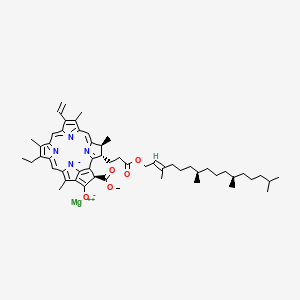
For a formulator, the pigment and protein profile matters because it determines three things at once: the colour the powder will produce in the finished product, the marker compounds that the COA confirms for quality control, and the nutritional label claims the ingredient can support. A buyer should confirm which pigments the supplier assays on the COA and by what method — for example, spectrophotometric absorbance for phycocyanin, or HPLC for individual carotenoids.
Typical Specification Parameters to Confirm With a Supplier
| Parameter | Why It Matters to a Buyer |
|---|---|
| Protein content (%) | Primary nutritional marker; determines the ingredient’s value-in-use and label claim eligibility. Confirm assay method (e.g. Kjeldahl or Dumas). |
| Phycocyanin content (%) | Key bioactive pigment marker; indicates the quality of the biomass and the pigment integrity after drying. |
| Chlorophyll content | Drives the green colour intensity; relevant for applications where visual appearance matters. |
| Moisture content | Impacts shelf life, caking risk and microbial stability; affects packing and transport weight. |
| Particle size / mesh | Affects dispersibility in powders and mouthfeel in finished products; fine powders blend more uniformly in premixes. |
| Heavy metals (Pb, Cd, As, Hg) | Required for regulatory compliance and export; limits may restrict use in some markets or product categories. |
| Microbial limits (TPC, yeast & mould, E. coli, Salmonella) | Critical for food-safety acceptance; influences whether the ingredient can be used in low-moisture or heat-sensitive processes. |
| Ash content | Indicates inorganic residue and mineral levels; used in specification acceptance and processing considerations. |
| Colour appearance | Visual quality indicator; consistent deep green across lots signals controlled drying and storage. |
Where Food Manufacturers Use Spirulina Powder
- Beverages and cordials: Green-coloured functional drinks, juice blends and powder drink mixes where the spirulina contributes both colour and nutritional content.
- Ice-cream and frozen desserts: Natural green colouring for matcha-style or “superfood” dessert lines, where the powder’s pigment and protein profile add label value.
- Bakery systems: Green-tinted bread, crackers and pasta products where spirulina is incorporated into the dough for visual differentiation.
- Sachet drink mixes and dry powder blends: Nutritional supplement powders, protein blends and instant beverage premixes where the ingredient’s protein and pigment content are the primary selling points.
- Cosmetic applications: Natural green colourant in soap, bath products and skincare formulations where a plant-derived pigment is preferred.
When formulating with spirulina alongside other green plant powders, buyers often evaluate it against ingredients like moringa leaf powder, which offers a different nutritional profile and a lighter green colour. The choice between spirulina and moringa typically depends on whether the formulation priority is protein and pigment content (spirulina) or leaf-derived micronutrients (moringa).
Format, Packaging and Storage
- Typical formats: Spray-dried or freeze-dried whole biomass powder; particle size typically specified as >95% through 60–80 mesh.
- Packing: Vacuum-sealed kraft bags for R&D quantities, foil-lined drums with inner liners for bulk, and palletised container loads for large orders. Moisture-barrier packaging is recommended to protect the pigment and protein integrity.
- Storage: Keep sealed in a cool, dry place away from direct sunlight. Chlorophyll and phycocyanin are both light-sensitive; prolonged UV exposure causes colour fading.
- Shelf life: Depends on moisture, packaging and storage conditions; verify shelf-life data on the specification sheet and COA.
- Handling notes: Protect from high heat, direct light and high humidity to minimise pigment degradation and caking.
How to Qualify a Spirulina Supplier
Checklist to request before issuing a PO:
- Lot-specific Certificate of Analysis (COA) showing protein assay, phycocyanin content, moisture, heavy metals and microbial screening
- Method statements for protein assay (Kjeldahl or Dumas) and pigment quantification (spectrophotometric or HPLC)
- Heavy-metals certificate and microbial screening report (TPC, yeast & mould, E. coli, Salmonella)
- Copies of facility certifications (FSSC 22000, GMP, HACCP, JAKIM Halal, US FDA registration, MeSTI)
- Packaging specification, recommended storage conditions and shelf-life data
- Declaration of any carriers, excipients or processing aids used in the powder
- Information on cultivation system (open pond vs. closed photobioreactor) and harvesting/drying method
- Sample availability for application testing and stability trials
Supplying Spirulina and Related Ingredients in Bulk
Bionutricia supplies bulk spirulina powder (Spirulina platensis) as part of its range of standardised botanical extracts and functional ingredients for food, beverage and nutraceutical manufacturers. The ingredient is produced using Bionutricia’s patented enzymatic ultrasonic extraction (MY-188945-A) capability and is backed by the company’s full certification stack — FSSC 22000, GMP, HACCP, JAKIM Halal, US FDA registration, MeSTI and NanoVerify.
Buyers of spirulina powder frequently also require companion ingredients from the same range. Blue spirulina (phycocyanin) powder is the concentrated pigment extract of the same biomass, supplied where a blue natural colourant is needed rather than the full green nutritional matrix. Moringa leaf powder is another green plant-based powder in the range, offering a complementary micronutrient profile. Coconut water powder is a functional partner for beverage formulations that combine hydration and nutritional ingredients.
Supply services available through bionutriciaextract.com include bulk supply, custom specification and extract ratio, spray-dried and powder forms, COA per lot, documentation and export paperwork, and packing options. For full specifications, certification documentation and a formal quotation, visit the spirulina product page or request a bulk quotation directly.
Request a Bulk Quotation for Spirulina Powder
Request a bulk quotation — Spirulina Powder product page
Frequently Asked Questions
What is the difference between spirulina powder and blue spirulina (phycocyanin) powder?
Spirulina powder is the dried whole biomass — green, chlorophyll-rich, with the full nutritional matrix intact. Blue spirulina (phycocyanin) is a concentrated pigment extract with most chlorophyll and bulk biomass removed, optimised for blue colour performance. A buyer specifies whole spirulina when both the nutritional composition and green colour are needed, and blue spirulina when a natural blue colourant is the primary requirement.
What protein content should I specify when buying spirulina powder in bulk?
Protein content is the primary nutritional marker for spirulina. Buyers should confirm the protein assay method on the COA (Kjeldahl or Dumas) and ensure the supplier reports a lot-specific value rather than a “typical” figure. The exact target depends on the finished product’s label claim and formulation requirements.
How is spirulina powder dried, and does the drying method matter?
Spirulina is typically spray-dried or freeze-dried. Spray-drying is the more common industrial method and produces a fine, free-flowing powder. Freeze-drying may better preserve heat-sensitive pigments but is more expensive. The drying method can affect pigment retention and solubility, so buyers should confirm the method and request stability data if pigment integrity is critical to the application.
What certifications should I ask for when buying spirulina in bulk?
Ask for facility and product certifications relevant to your market: FSSC 22000, GMP, HACCP, JAKIM Halal, US FDA registration and MeSTI. For markets requiring nano-processed ingredient validation, NanoVerify may also be relevant. Always request lot-specific COA data rather than relying on generic specification sheets.
Is spirulina powder water-soluble?
Spirulina powder is water-dispersible — it suspends in liquid systems but does not fully dissolve, as it is a whole-cell biomass. For applications requiring complete solubility, a finer particle size or a filtered extract (such as phycocyanin) may be more appropriate. Buyers should test dispersibility in the target formulation system before scale-up.