Removing a synthetic preservative to win a clean label is a reformulation, not a subtraction. The preservative was doing an invisible job — blocking oxidation and microbial spoilage — so taking it out without replacing that function collapses shelf life into rancidity, colour loss, returns and delistings. The fix is to replace the function with a natural antioxidant/antimicrobial system (rosemary, green tea, acerola), dosed to your product’s fat load, water activity, process and pH, then validated with an oxidation test and a stability study before you print the date.
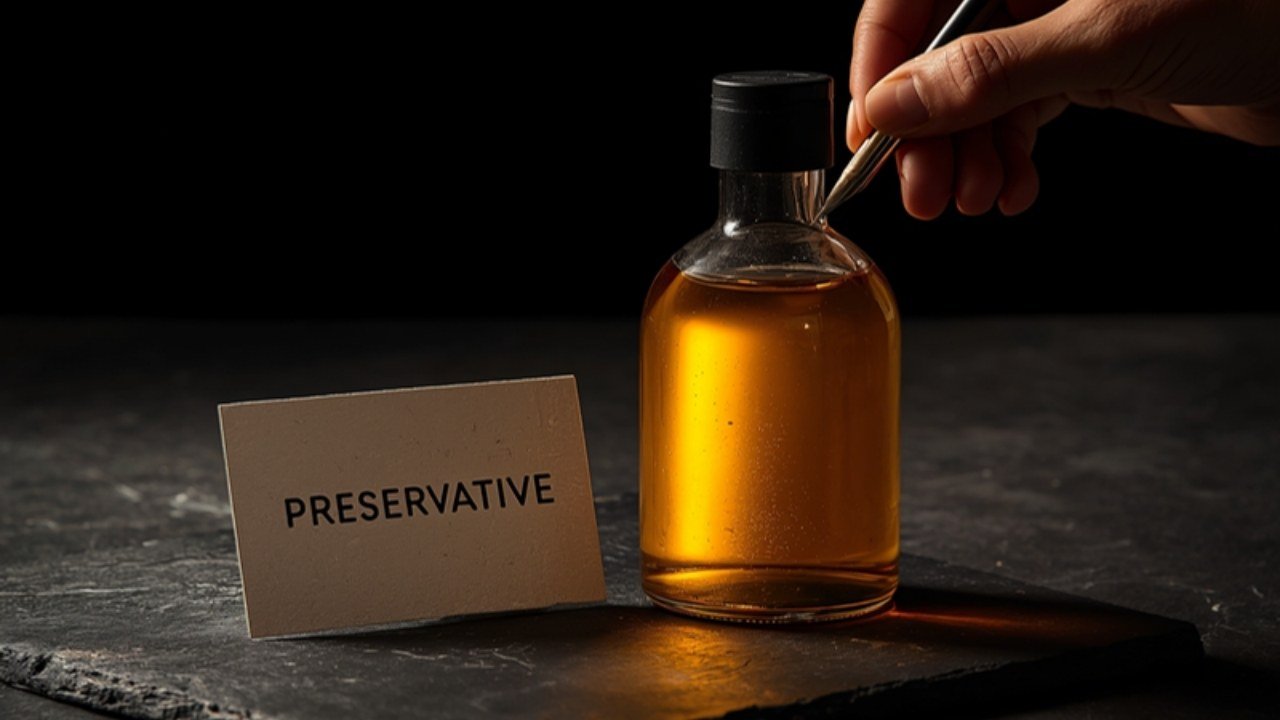
You didn’t remove the preservative — you removed the shelf life it was protecting
“No preservatives” is one of the most powerful phrases on a modern label. So the synthetic preservative gets struck off the recipe, the front-of-pack claim goes on, and the launch moves ahead. The problem is that a preservative was never decoration. It was doing a quiet, continuous job — and deleting it without a plan doesn’t make a product cleaner. It makes it fragile.

Clean label is winning, and the back-of-pack is where it’s decided
Shoppers now turn the pack over and read. Short, recognisable ingredient lists sell, and “free-from” synthetic preservatives has become a purchase driver across food and beverage. The natural food-preservatives market is estimated at roughly US$1.06 billion in 2026 and is growing about 6.8% a year, with the antioxidant segment the fastest-moving part of it.
That pressure is real and worth acting on. The mistake is treating it as a deletion — pulling one ingredient out and shipping the same formula — instead of what it actually is: a reformulation.
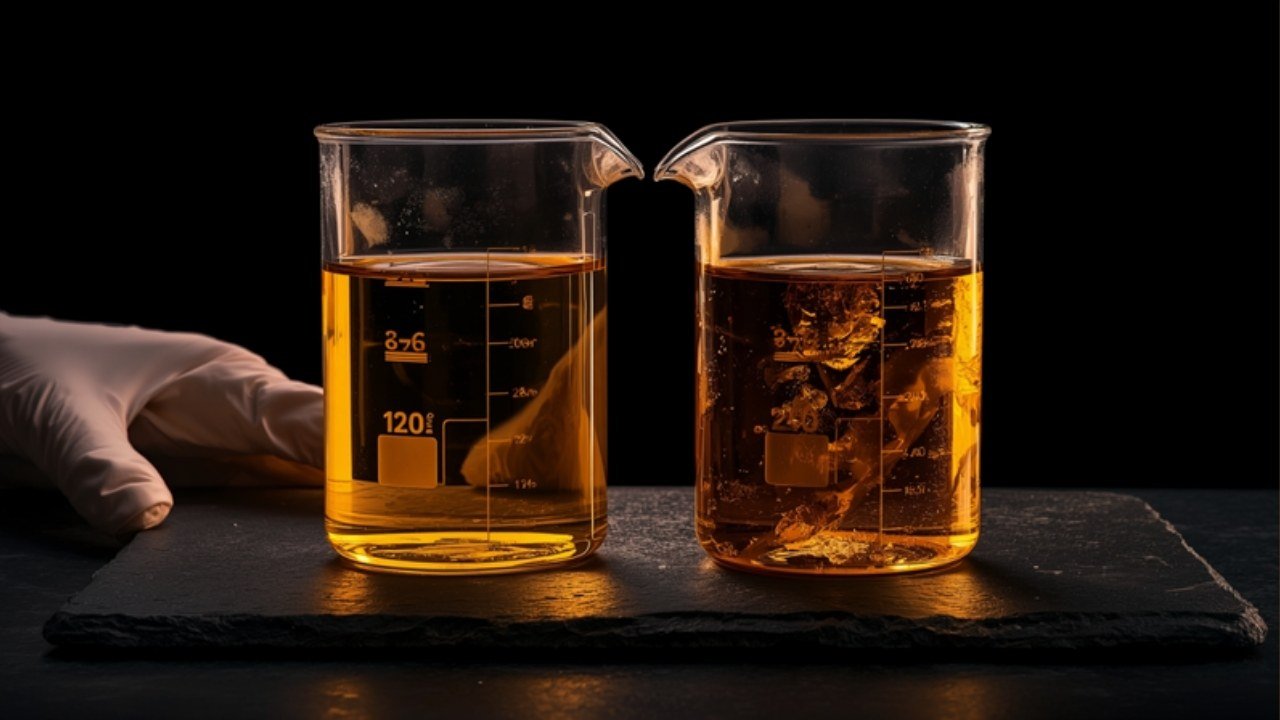
One preservative was quietly blocking two different kinds of decay
Synthetic preservatives usually cover two failure modes at once. The first is oxidation: fats and oils react with oxygen, turning rancid, developing off-flavours and cardboard notes, and dragging colour and nutrients down with them. The second is microbial spoilage: the slow growth of moulds, yeasts and bacteria that a short shelf life never survives.
Remove the preservative and put nothing back, and both clocks speed up at once. How much protection a good antioxidant can add is measurable — in a Rancimat oxidative-stability test, a natural antioxidant extended an oil’s induction period in a clear, dose-dependent way:

Subtracted, not replaced — and the clock starts speeding up
The failure is rarely dramatic on day one. A line gets crossed off the spec sheet and nothing is written back in its place. The batch still tastes fine at release, the certificate of analysis still passes, and everyone moves on.
But the protection is gone. Oxidation and spoilage begin working from the first day of storage, and the consequences arrive weeks or months later — long after the decision that caused them.
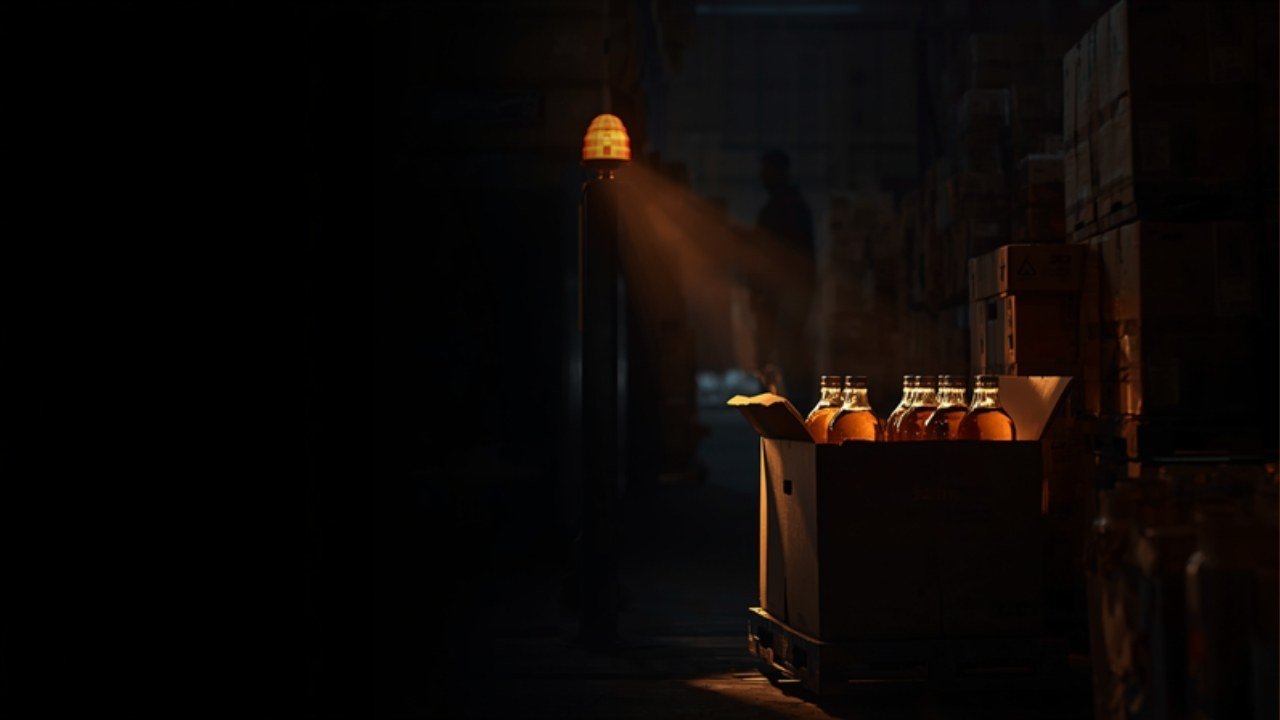
It shows up late: rancid oil, dull colour, a rejected lot, a quiet delisting
Golden oil turns dark. A bright natural colour goes muddy. A snack starts tasting of cardboard. A drink throws a haze. None of it is visible at the moment of reformulation — it surfaces in returns, a rejected lot, complaints, and a retailer quietly dropping the line because it didn’t hold up on shelf.
For a brand owner, a stalled or recalled product is far more expensive than the preservative ever was. This is the real cost of treating a clean label as a subtraction.
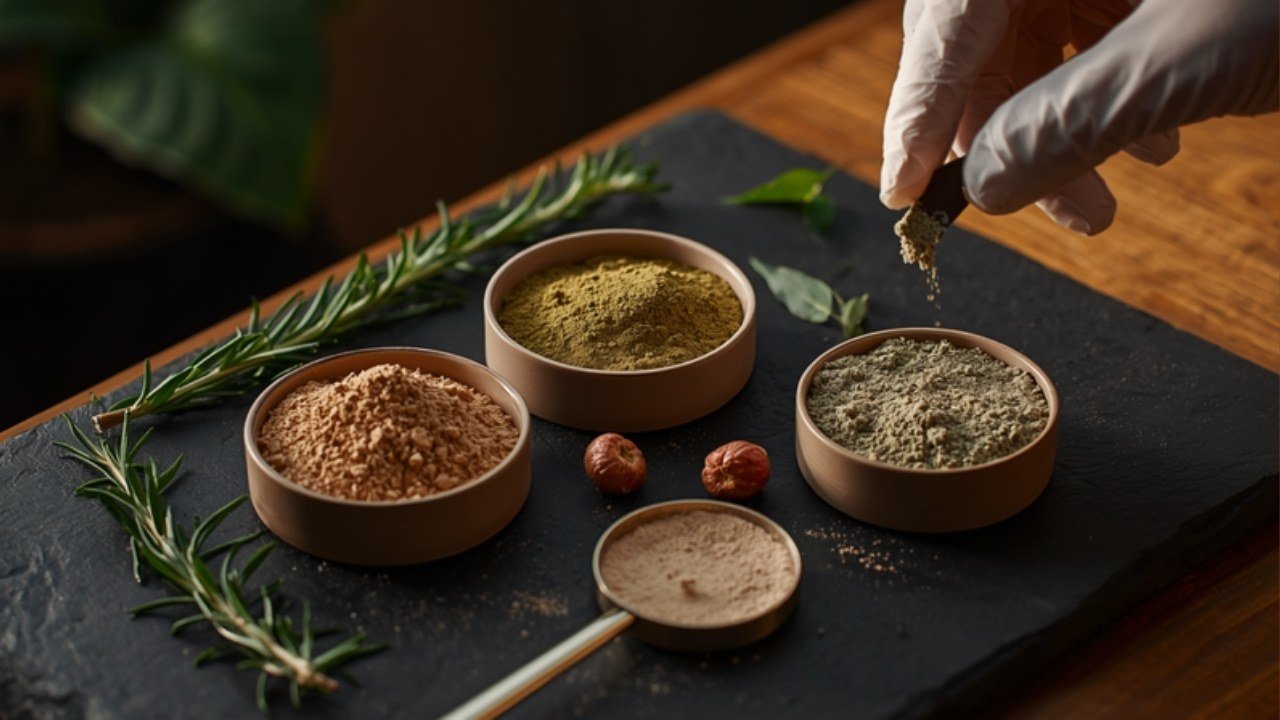
A clean label is a replacement — and nature already makes the function
Here is the shift: a clean label isn’t about taking something out. It’s about replacing the function with an ingredient a shopper is happy to read. Plants make exactly these functions.
Rosemary extract carries carnosic acid and rosmarinic acid; green tea carries catechins; acerola carries natural vitamin C; and mixed tocopherols round out the set. Mechanistically, these are chain-breaking antioxidants: they donate a hydrogen atom to the lipid peroxyl radicals that drive autoxidation, interrupting the propagation chain before it can spread, and some also chelate the trace metals that kick oxidation off. That is a food-technology function — it protects the product in the pack, not the person who eats it.

Spec it, then prove it — a natural antioxidant is a system, not a sticker
You can’t swap a natural antioxidant in blind. Its effective dose depends on your product’s fat load, water activity, processing temperature and pH, and on whether you need antioxidant protection, antimicrobial protection, or both. Under-dose and it fails silently; treat it as a like-for-like drop-in and you relaunch twice.
So do two things. First, spec the antioxidant to your matrix — give the supplier your format, your machine, your fat content and your target shelf life, and ask for the functional grade and dose rate that fits. Then prove it: run an oxidation test (peroxide value, or a Rancimat/OSI induction period), assay the marker by HPLC, and confirm the new date with a real stability study before you print it on the pack.
Standardised natural antioxidant ingredients, built for B2B reformulation
Bionutricia supplies standardised botanical extracts and natural antioxidant ingredients in bulk — the ingredient, with a specification and a certificate of analysis per lot. Brand owners and manufacturers formulate it into their own chosen finished format, whether that’s an oil, a snack, a beverage, a bakery mix or a dairy line.
Established 2006 and certified to FSSC 22000, GMP, HACCP, JAKIM Halal, US FDA and MeSTI, plus NanoVerify. If you’re taking a synthetic preservative off a label, the right first question isn’t “what do we remove?” — it’s “what natural function do we put back, at what dose, and how do we prove the shelf life?”
Frequently asked questions
Does removing preservatives shorten shelf life?
It can, sharply, if nothing replaces the function. A synthetic preservative typically blocks oxidation (rancidity, off-flavours, colour and nutrient loss) and microbial spoilage. Removing it without a natural antioxidant/antimicrobial system in its place lets both processes speed up, which shows up later as returns, rejected lots or a delisting.
What are natural alternatives to synthetic food preservatives?
Natural antioxidant and antimicrobial ingredients from plants — rosemary extract (carnosic and rosmarinic acid), green tea (catechins), acerola (natural vitamin C) and mixed tocopherols among them. In published food-science testing, a natural antioxidant extended an oil’s Rancimat oxidative induction period in a dose-dependent way. Effect size depends on the oil, dose, temperature and process, so the right choice is matrix-specific.
Is a natural antioxidant a drop-in replacement for a synthetic preservative?
No. A natural antioxidant is a system, not a sticker. Its effective dose depends on the product’s fat load, water activity, processing temperature and pH, and on whether antioxidant or antimicrobial protection (or both) is needed. It should be specified to the matrix and then validated with a stability study rather than swapped in blind.
How do you prove a reformulated clean-label product still keeps?
Run an oxidation test such as peroxide value or a Rancimat/OSI induction period, assay the active marker by HPLC, and confirm the new shelf life with a real-time (and optionally accelerated) stability study before printing a date. The honest shelf life is a measured curve, not a number copied from a supplier sheet.
Does Bionutricia supply finished clean-label products?
Bionutricia supplies the bulk standardised ingredient for B2B formulation — with a specification and a certificate of analysis per lot — and brand owners and manufacturers formulate it into their chosen finished format. It is established 2006 and certified to FSSC 22000, GMP, HACCP, JAKIM Halal, US FDA and MeSTI, plus NanoVerify.
Compliance note. This article discusses the food-technology function of natural antioxidants — protecting a food or beverage product against oxidation and spoilage. It makes no health, medicinal, structure/function or disease claims about any person, and no efficacy claim about any Bionutricia product. The cited chart reports a published food-science study and is not a claim about any brand’s product. Bionutricia supplies bulk standardised ingredients for B2B formulation; brand owners and manufacturers formulate the finished format. Est. 2006 · FSSC 22000, GMP, HACCP, JAKIM Halal, US FDA, MeSTI · NanoVerify.