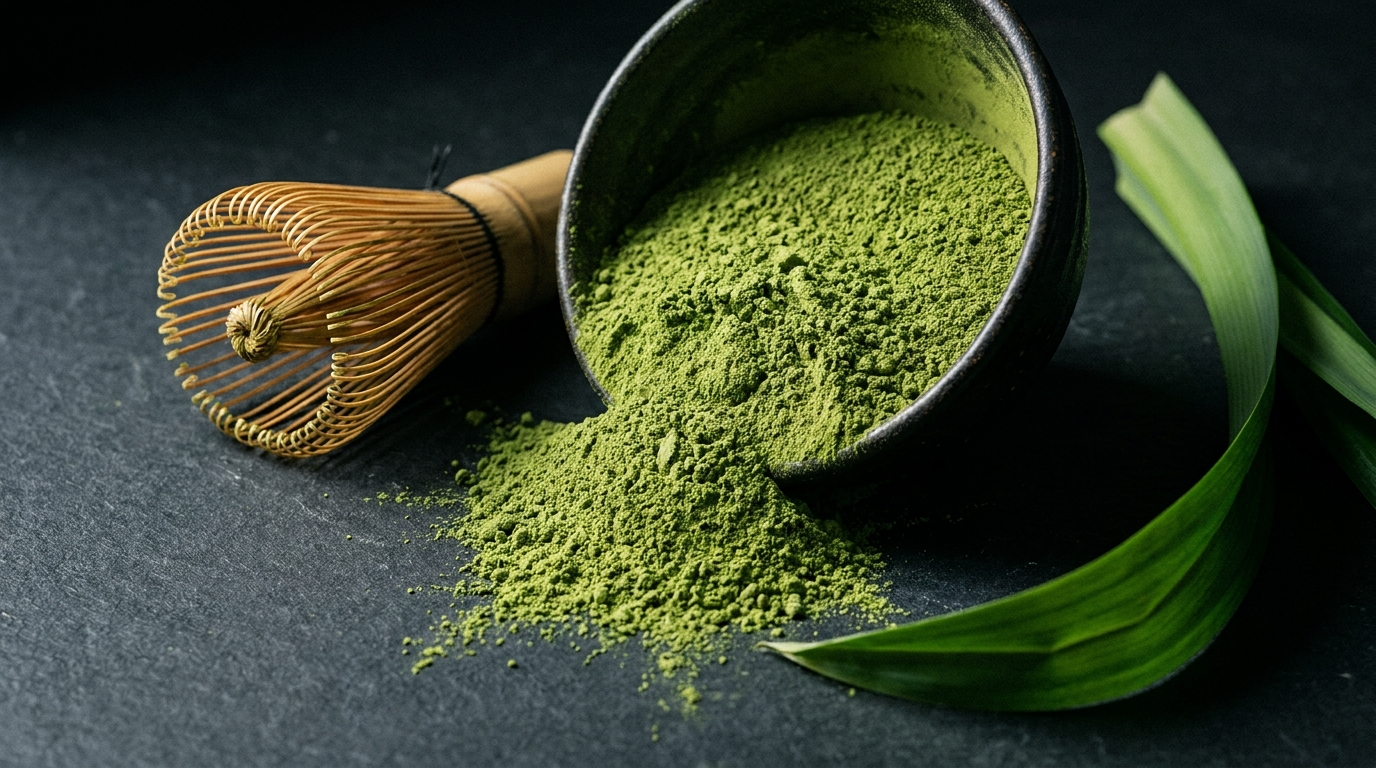
What Is Pandan Matcha?
The Southeast Asian leaf that takes the bitterness out of your matcha latte — and why it tastes sweet without any sugar.
Pandan matcha is a blend of Japanese green tea powder and pandan leaf, a Southeast Asian plant whose aroma sits somewhere between vanilla, coconut and warm rice. The pandan rounds off matcha’s grassy edge and adds a natural sweetness, which is why cafés from Kuala Lumpur to Los Angeles have put it on the menu.
If you have seen a startlingly green latte on your feed lately and wondered what makes it taste like dessert without any sugar in it, this is the answer.
Two plants
Matcha + pandan, nothing else
20–45 mg caffeine
About a third of a coffee
Vanilla-like
Sweet aroma, zero sugar
One minute
vs 15 min simmering leaves
What pandan actually tastes like
Pandan (Pandanus amaryllifolius) is a tropical screwpine leaf used across Malaysia, Indonesia, Thailand, Vietnam and the Philippines. In Southeast Asian kitchens it does roughly the job vanilla does in Western baking, which is why chefs often call it the “Vanilla of the East.”
The aroma comes largely from a compound called 2-acetyl-1-pyrroline — the same molecule that gives jasmine rice and basmati their characteristic smell. That is why pandan reads as sweet and comforting to most people even before any sweetener is added.
Described plainly, pandan tastes like: grassy at the front, then nutty and creamy, finishing with a vanilla-like warmth.
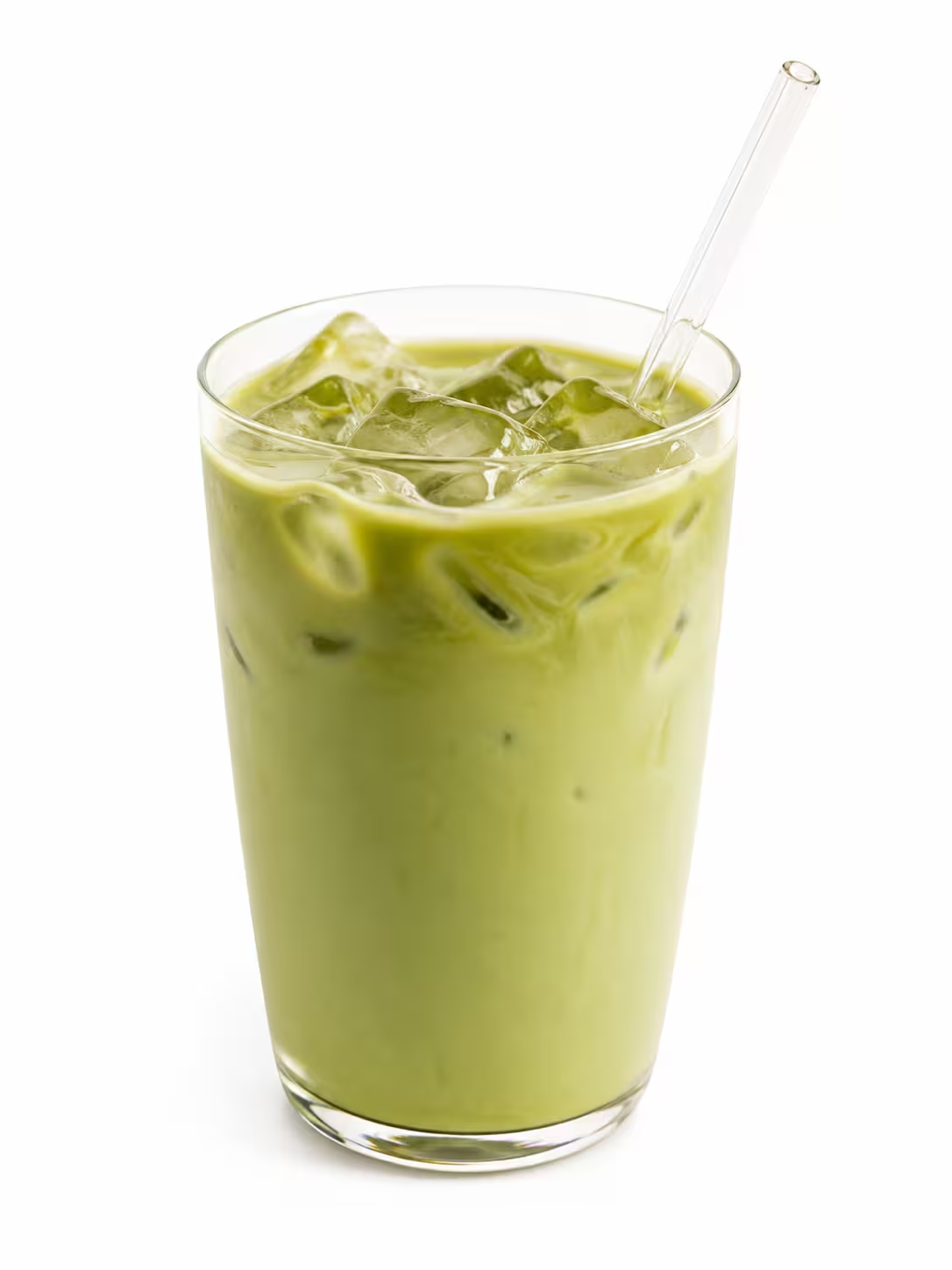
Pandan matcha gets its colour from the matcha and its aroma from the pandan.
Why pandan and matcha work together
Matcha’s defining note is umami with a bitter, vegetal finish. That finish is exactly what puts a lot of people off matcha, and it is why so many commercial matcha lattes are loaded with sugar to cover it.
Pandan solves the same problem from the other direction. Its creamy, vanilla-adjacent aroma softens matcha’s bitterness without masking the tea itself. You still taste the matcha — it simply stops fighting you.
Pandan matcha vs. other matcha options
| Pandan Matcha | Pure Matcha | Flavoured Mix | |
|---|---|---|---|
| Taste | Umami with a creamy, vanilla-like finish | Grassy, umami, bitter finish | Sweet, often artificial |
| Added sugar | None needed | None | Often 50–70% sugar or maltodextrin |
| Ingredients | Two plants | One plant | Tea plus flavourings and fillers |
| Best for | People who find plain matcha too bitter | Matcha purists | People who want a sweet drink |
How much caffeine is in pandan matcha?
Pandan leaf contains no caffeine at all, so all of it comes from the matcha portion of the blend.
Matcha carries roughly 19–44 mg of caffeine per gram. In a 50/50 pandan matcha blend, one teaspoon (around 2 g) gives you about 1 g of actual matcha — so roughly 20–45 mg of caffeine, or about a third of a standard cup of coffee.
Matcha also contains L-theanine, an amino acid that green tea drinkers commonly associate with a steadier, less jittery kind of alertness than coffee. If coffee tends to leave you wired, this is usually the reason people switch.
How to drink it
Pandan matcha powder dissolves in both hot and cold liquid, so it behaves like any other matcha in a drink. The most common ways to use it:
- Iced latte — the default, and the version most cafés serve. See our iced pandan matcha latte recipe.
- Hot latte — whisk with a little hot water first, then top with steamed milk.
- With coconut water or sparkling water — lighter, and the pandan comes through more clearly.
- Dirty (with espresso) — for people who are not ready to give up coffee entirely.
We have collected six variations, including a sparkling lime and a strawberry version, in our pandan matcha recipes guide.
Fresh leaf vs. powder
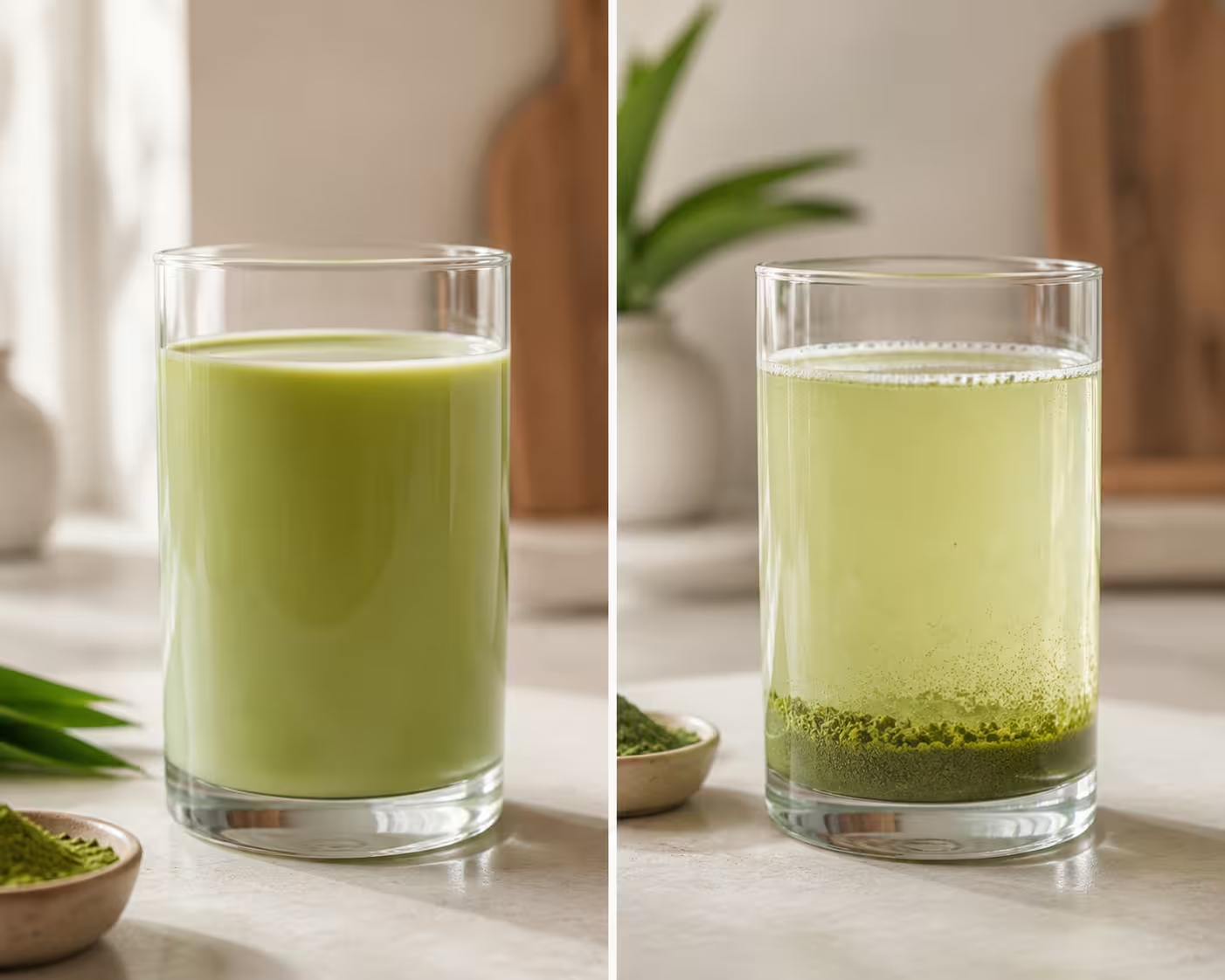
Extract powder dissolves cleanly; raw ground leaf leaves sediment at the bottom of the glass.
Most pandan matcha recipes online start by simmering fresh pandan leaves, straining them, and turning the liquid into a syrup. It works, but it takes about fifteen minutes and it usually means adding sugar to the syrup.
A pre-blended powder skips that step entirely: one spoon into your milk and you are done. The trade-off is quality — a powder is only as good as what went into it, so it is worth checking that you are buying two ingredients and not tea plus flavouring plus filler.
Frequently asked questions
Does pandan matcha taste like vanilla?
Not exactly, but it is the closest common reference point. Pandan is sweeter and more floral than vanilla, with a nutty, rice-like quality underneath. Most people trying it for the first time describe it as vanilla with something extra they cannot quite place.
Is pandan matcha sweet?
A pure pandan matcha powder contains no sugar. The sweetness people taste is aromatic rather than actual — your brain reads the pandan aroma as sweet. Whether the finished drink is sweet depends on what you add to it.
Is pandan matcha the same as a matcha latte?
No. A matcha latte is matcha plus milk. Pandan matcha is matcha blended with pandan, which you can then make into a latte. The pandan changes the flavour of the tea itself, not just the drink around it.
Can you bake with pandan matcha?
Yes. It works in cakes, cookies, ice cream and cheesecake, and gives baked goods a natural green colour without food dye. Use it the way you would use plain matcha powder.
Buying pandan matcha? Three things to check
Most powders sold as flavoured matcha are mostly sugar. These three checks separate the real thing from the rest.
Bionutricia Extract Pandan Matcha Powder is a 50/50 blend of Japanese matcha (Camellia sinensis) and pure Malaysian pandan (Pandanus amaryllifolius). Two ingredients, no added sugar, no maltodextrin and no colouring. One 200 g pack holds about 100 servings at 1 teaspoon each, and a teaspoon carries roughly 20–45 mg of caffeine — about a third of a cup of coffee. It is produced in Malaysia by Bionutricia Manufacturing Sdn. Bhd., a JAKIM Halal, FSSC 22000, GMP and HACCP certified facility operating since 2006.