Passion fruit extract powder is a 20:1 extract of Passiflora edulis fruit — a water-soluble, naturally acidic (pH 2–4) yellow powder with ascorbic acid listed as the active compound on the specification. Bionutricia Extract supplies it in bulk to B2B and OEM formulators from a JAKIM Halal, FSSC 22000, US FDA-registered, GMP, HACCP and MeSTI facility in Malaysia, with a Certificate of Analysis on every lot.
Quick facts for formulators
- Botanical / part: Passiflora edulis (passion fruit), fruit
- Extraction ratio: 20:1 · Spec-listed active: ascorbic acid (vitamin C)
- Form / colour / odour: free-flowing yellow powder, characteristic aromatic
- pH: 2–4 · Moisture: <10% · Solubility: soluble in water · Particle size: >85% through 60 mesh
- Usage dosage: 2–8% of the finished formula
- Pack sizes: 1 kg · 5 kg · 20 kg
- Certifications: JAKIM Halal · FSSC 22000 · US FDA registered · GMP · HACCP · MeSTI · COA per lot
- Clean label: vegan, non-GMO, gluten-free (<20 ppm), no Annex II allergens, not irradiated
- Shelf life: 24 months sealed, cool & dry · Origin: Malaysia
What is passion fruit extract powder?
Passion fruit (Passiflora edulis) is the fruit of a fast-growing tropical vine of the passion-flower family, cultivated across Southeast Asia, South America and Africa in two main varieties: the smaller purple type (4–9 cm, deep-purple wrinkling rind, black seeds) and the larger yellow type (6–12 cm, bright-yellow rind, brown seeds). Inside, dozens of juice-filled arils carry one of the most recognisable aromas in the flavour world — sharp, tropical and intensely fragrant — alongside vitamin C, provitamin A carotenoids, potassium and polyphenols; the flavonoids most reported for the fruit are luteolin, apigenin and quercetin derivatives. Bionutricia's extract concentrates the fruit roughly 20-fold into a stable, water-soluble yellow powder, converting a perishable, seasonal fruit into a documented, easy-to-dose B2B ingredient that carries the fruit's flavour and natural acidity into finished formulations.
Active compounds & identity — stated plainly
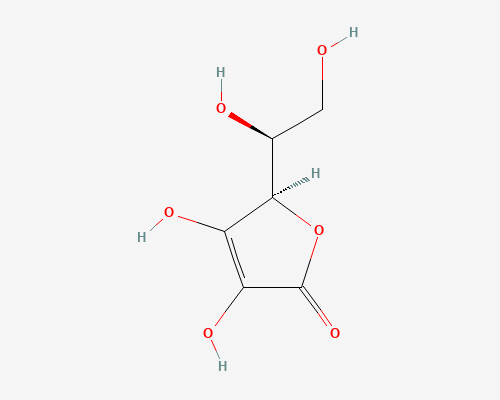
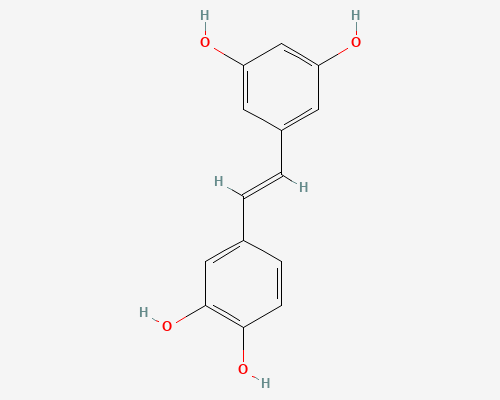
Bionutricia's specification lists ascorbic acid (vitamin C, C₆H₈O₆) as the active compound of this whole-fruit extract, alongside the fruit's native flavonoids and organic acids; the extract's naturally low pH of 2–4 reflects that organic-acid profile. The compound that dominates the research literature on Passiflora edulis, however, is piceatannol (C₁₄H₁₂O₄) — a hydroxylated analogue of resveratrol concentrated in the seeds, quantified by HPLC in the published studies (Matsui et al., Journal of Agricultural and Food Chemistry 2010). A technical buyer should understand the distinction: this ingredient is a whole-fruit 20:1 extract and does not carry a standardised piceatannol assay; piceatannol is discussed below because it anchors the clinical literature on the botanical, not because it is a marker of this SKU. Where a buyer requires a compound-specific standardisation, Bionutricia offers custom standardisation on quotation.
How passion fruit compounds behave in the body (published pharmacology)
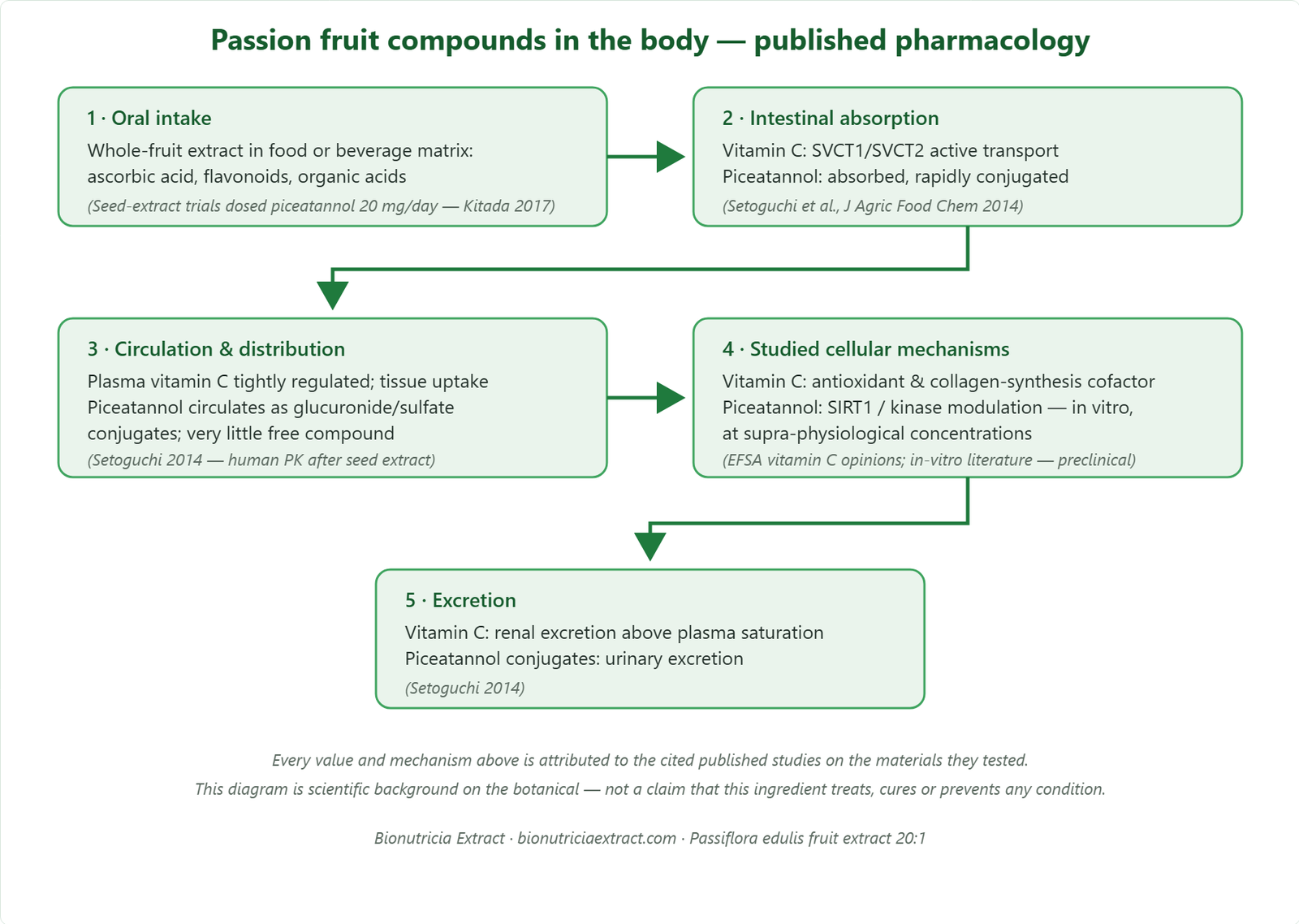
The human pharmacokinetics of the botanical's signature compounds have been characterised in the published literature. Ascorbic acid is absorbed in the small intestine through sodium-dependent vitamin C transporters (SVCT1/SVCT2), distributed to tissues under tight plasma control, and excreted renally once saturation is reached — the physiology underlying EFSA's authorised vitamin C nutrient-function claims, which apply at the customer's finished-product stage when the qualifying dose is met. Piceatannol, studied after oral passion fruit seed extract, is absorbed and circulates almost entirely as glucuronide and sulfate conjugates with very little free compound, and is excreted in urine (Setoguchi et al., Journal of Agricultural and Food Chemistry 2014). Its widely cited SIRT1-related and kinase-related activities are in-vitro findings at concentrations above those reached in human plasma — preclinical context only. Mechanism is provided as scientific background on the botanical, attributed to the cited studies; it is not a claim that this ingredient treats, cures or prevents any condition.
Clinical evidence on Passiflora edulis — with the material differences stated
Passion fruit has a small but genuinely randomized clinical literature — and an honest monograph must say clearly that none of it was run on whole-fruit extract powder. The trials used seed extract (piceatannol-rich) or purple peel extract (flavonoid-rich): different plant fractions with different compositions from this 20:1 fruit extract. The findings below belong to the cited researchers and the materials they tested; they are scientific context for technical buyers, not performance claims for this ingredient.
| Area studied | Best available human evidence | Result (attributed to the study) |
|---|---|---|
| Metabolic health (seed extract) | Randomized, double-blind, placebo-controlled trial; n=39 adults; passion fruit seed extract delivering 20 mg piceatannol/day for 8 weeks (Kitada et al., Nutrients 2017) | In the overweight-men subgroup, insulin sensitivity improved (HOMA-IR decreased) and heart rate and blood pressure were lower versus placebo. No significant effects in women or non-overweight men — the null subgroups are part of the result |
| Respiratory symptoms (peel extract) | Randomized, placebo-controlled trial; n=43 adults with asthma; purple passion fruit peel extract 150 mg/day for 4 weeks (Watson et al., Nutrition Research 2008) | The peel-extract group reported reduced wheeze and cough and improved shortness of breath versus placebo — a small single trial on a peel flavonoid extract, not replicated on fruit extract |
| Joint comfort (peel extract) | Randomized, placebo-controlled trial; n=33 adults with knee osteoarthritis; purple passion fruit peel extract 150 mg/day for 60 days (Farid et al., Nutrition Research 2010) | Reported reductions in pain and stiffness scores versus placebo — again a small single trial on peel material |
| Limitations (cited honestly) | Whole-fruit 20:1 extract powder — the material of this monograph | No randomized human trial exists on whole-fruit passion fruit extract powder. Seed and peel are different fractions; their results should not be transferred to this ingredient. The fruit's documented contribution is nutritive and sensory: vitamin C, flavonoids, natural acidity and flavour |
Trial populations, doses and preparations vary; the cited findings describe seed- and peel-extract materials in research settings and are not extrapolated to this fruit extract powder or to any Bionutricia finished product.
Typical specification
| Parameter | Value |
|---|---|
| Botanical origin / part | Passiflora edulis, fruit |
| Extraction ratio | 20:1 |
| Appearance / colour | Free-flowing powder, yellow |
| Odour | Characteristic |
| Spec-listed active compound | Ascorbic acid (vitamin C) |
| pH | 2–4 |
| Moisture | <10% |
| Solubility | Soluble in water |
| Particle size | >85% through 60 mesh |
| Usage dosage | 2–8% of the finished formula |
| Heavy metals (As, Pb, Hg) | As < 0.1 ppm, Pb < 0.2 ppm, Hg < 0.05 ppm |
| Microbial (APC, Y&M, coliform, E. coli) | APC < 10⁴ cfu/g, Y&M < 10³ cfu/g, coliforms < 10² cfu/g, E. coli absent |
| Clean label | Vegan, non-GMO, gluten-free (<20 ppm), no Annex II allergens, not irradiated, not a novel food |
| Certifications | JAKIM Halal, FSSC 22000, US FDA registered, GMP, HACCP, MeSTI |
| Shelf life | 24 months sealed, cool & dry |
| Pack sizes | 1 kg, 5 kg, 20 kg |
| Country of origin | Malaysia |
Full specification and a batch Certificate of Analysis are provided on request. Figures are typical values; confirm the current lot COA for release data.
Applications
Passion fruit is one of the flavour industry's most-loved tropical profiles, and a water-soluble, acid-stable 20:1 powder dosed at 2–8% puts that profile within reach of almost every finished category customers register in their own markets — juices and still or sparkling beverages, desserts, ice cream and sorbet, jelly and gummies, yoghurt and dairy, baked goods, sachet and stick-pack premixes, and capsule or tablet blends where a fruit base is wanted. The naturally low pH (2–4) works with, not against, low-pH systems such as gummy syrups and acidified drinks. Bionutricia supplies the bulk ingredient for B2B formulation; brand owners and manufacturers formulate it into their chosen finished format and register it under the product category applicable in their country — and where a finished product meets the qualifying vitamin C dose, EFSA- and Codex-recognised nutrient-function claims for vitamin C become available at that stage, under the customer's own regulatory review.
Why buy passion fruit extract from Bionutricia?
Bionutricia Extract has manufactured standardized Malaysian botanical extracts since 2006 under a full halal and international food-safety stack (JAKIM Halal, FSSC 22000, US FDA registration, GMP, HACCP, MeSTI), issuing a Certificate of Analysis on every lot. Its enzymatic-and-ultrasonic process is patented (MY-188945-A, "Process for Preparing Nutritional Powder Extract"), concentrating passion fruit 20-fold into a clean, water-soluble powder with no added colourants, fillers or preservatives. Bulk OEM, custom standardisation and packing are available. See the live passion fruit extract product page for ordering.
Passion fruit sits inside a wider tropical-fruit range from the same certified catalogue — formulators building a fruit, beverage or functional line alongside it also buy our noni fruit extract, roselle extract, mangosteen peel extract, pink guava extract, red dragon fruit extract and yuzu extract — one audit pack, one shipment.
Frequently asked questions
What is it / is a COA available? A 20:1 extract of Passiflora edulis fruit — water-soluble yellow powder, ascorbic acid listed as the active compound on the specification; batch COA per lot.
Is it halal? Yes — JAKIM Halal certified; the facility is also FSSC 22000, US FDA-registered, GMP, HACCP and MeSTI. Halal documentation issued with each shipment.
Is it water-soluble and acid-stable? Yes — soluble in water at a natural pH of 2–4, suited to juices, beverages, gummy syrups and other low-pH systems; >85% through 60 mesh.
Is piceatannol a marker of this extract? No — piceatannol is concentrated in the seeds, and the human trials used seed or peel extracts. This whole-fruit extract carries no piceatannol assay; custom standardisation is available on quotation.
What does 20:1 mean? About 20 kg of passion fruit concentrated into 1 kg of extract powder — a stable, documented alternative to handling perishable fresh fruit.
What formats do customers make? We supply the bulk ingredient; customers formulate beverages, desserts, ice cream, jelly, gummies, baked goods, premixes and capsules registered under their market's applicable category.
MOQ & lead time? Pack sizes 1 kg, 5 kg, 20 kg; pre-order packing ~1–2 weeks. MOQ & pricing on quotation.
Storage & shelf life? Sealed hygienic containers, cool & dry, away from sunlight and pests; 24 months when properly stored.