Top 10 Questions B2B Buyers Ask Before Choosing a Botanical Extract Manufacturer in Malaysia (2026)
Choosing a botanical extract manufacturer in Malaysia is one of the highest-stakes decisions a supplement brand or nutraceutical formulator can make. The wrong supplier delivers inconsistent potency, fails audit inspections, gets shipments rejected at GCC or EU customs, or cannot scale with your brand. The right supplier becomes a long-term competitive advantage.
This guide answers the 10 most important questions B2B buyers ask before signing with a botanical extract manufacturer in Malaysia — with direct answers relevant to the 2026 market.
1. Does the manufacturer hold JAKIM Halal certification?
JAKIM (Jabatan Kemajuan Islam Malaysia) Halal certification is the gold standard for halal ingredient verification. For any brand targeting the GCC, ASEAN Muslim-majority markets, or global halal supplement consumers, this is non-negotiable — not optional.
Important: JAKIM Halal certification should be at the facility level, not just product level. Facility-level certification means every product manufactured there meets halal requirements by default. Bionutricia Extract holds JAKIM Halal certification at the facility level in Sungai Buloh, Selangor.
2. Is the facility internationally certified?
internationally certified facility registration is required if your finished products will enter the US market, and it’s increasingly demanded by global retailers and private label partners as a baseline quality signal — even for brands not primarily targeting the US.
international certification requires the facility to meet specific documentation and manufacturing standards. It is separate from GMP certification but complementary to it.
3. What is FSSC 22000 and why does it matter?
FSSC 22000 (Food Safety System Certification) is an internationally recognised food safety management standard accepted by the Global Food Safety Initiative (GFSI). For botanical extract manufacturers, FSSC 22000 certification demonstrates:
- Systematic hazard analysis and critical control points
- Traceability from raw material to finished ingredient
- Third-party audited quality management systems
Buyers sourcing for European, UK, or US distribution channels will often require FSSC 22000 as a minimum. It signals that the manufacturer operates to a higher standard than basic local GMP alone.
4. What extraction methods does the manufacturer use — and does it matter?
Yes, extraction method significantly affects the potency, purity, and bioavailability of the final botanical extract. Common methods:
- Solvent extraction (ethanol, methanol) — high yield, but solvent residue risk
- Hot-water extraction — clean, food-grade, but lower cell wall disruption
- Ultrasonic hot-water extraction — patented by Bionutricia Extract: high-frequency sonication combined with hot-water delivers superior cell wall disruption, higher active-compound yield, and no chemical solvents
- Supercritical CO2 extraction — premium, good for lipid-based actives, expensive
Ask your manufacturer to provide the specific extraction method used for each product and the yield/purity data that backs it up.
5. What standardisation ratios and COA data are available?
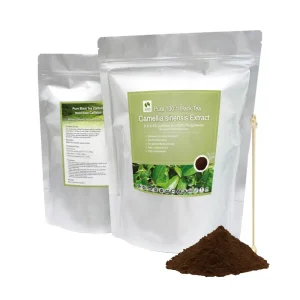
A Certificate of Analysis (COA) should confirm: the standardised active compound percentage, heavy metal testing, microbial testing (total plate count, yeast, mould), moisture content, and pesticide residue testing. Reputable manufacturers provide third-party COA data, not just in-house testing.
For example: Tongkat Ali extract should state the exact eurycomanone percentage (e.g., 1% or 2% Eurycomanone for 200:1 extract). Butterfly pea flower should state the anthocyanin percentage and colour stability data.
6. Does the manufacturer have liposomal or enhanced bioavailability capabilities?
The global supplement market is increasingly demanding high-bioavailability ingredients. Conventional botanical extracts, even at high standardisation ratios, lose much of their potency during digestion. Liposomal delivery technology addresses this by encapsulating actives in phospholipid vesicles that bypass gastric degradation.
In Southeast Asia, Bionutricia Extract is the only botanical extract manufacturer holding a Malaysian patent for liposomal encapsulation technology — specifically for multi-herb botanical complexes under the Herbosomal® trademark. This gives B2B buyers access to a differentiated, patent-backed ingredient story that no other regional manufacturer can offer.
7. What is the minimum order quantity (MOQ) and lead time?
MOQ varies widely by manufacturer. Large contract manufacturers may require 500 kg+ minimums that lock out small and mid-size brands. Look for manufacturers offering:
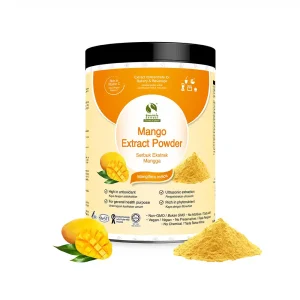
- Powder extracts on quotation MOQ
- Liposomal/encapsulated ingredients with flexible B2B MOQ
- Sample quantities for R&D and regulatory submissions (typically 1–5 kg samples)
Lead time for custom formulations typically runs 8–12 weeks from confirmed specification. Catalogue products (standard extracts) can ship within 2–4 weeks.
8. Can the manufacturer supply export documentation for GCC and EU?
Export documentation requirements vary by destination market:
- GCC markets (UAE, Saudi Arabia, Qatar): JAKIM Halal certificate, COA, international certification letter if required
- EU markets: FSSC 22000 or ISO 22000 documentation, pesticide MRL compliance, country of origin certificate
- US market: Facility Registration number, COA, supplement fact panel support
A manufacturer that regularly exports to multiple markets will have this documentation workflow dialled in. Ask for a sample documentation package before committing to an order.
9. Does the manufacturer offer custom formulation and private label OEM?
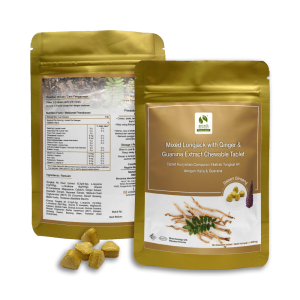
Beyond supplying bulk extract ingredients, many supplement brands need a manufacturing partner that can take a formulation concept through to finished product — including spray drying, encapsulation, blending, and packaging. Key OEM services to look for:
- Custom botanical extraction to your target specification
- Liposomal or Herbosomal® encapsulation OEM
- Tablet, capsule, powder sachet, and liquid formulation
- Private label design and packaging
- Halal-certified end-to-end OEM manufacturing
10. What is the manufacturer’s track record and trade presence?
Certifications tell you about systems — trade presence tells you about market credibility. A manufacturer that regularly exhibits at major ingredient trade shows (MIHAS, Gulfood, FI Europe) has demonstrated export capability and industry standing. Client references, awards, and media coverage provide additional verification signals.
Bionutricia Extract has exhibited at: MIHAS 2024 and 2025, Gulfood 2023 (Dubai), FI Europe 2022, Selangor International Business Summit 2022 & 2024. The company has received the MDEC award, Sin Chew Business Excellence Award 2022, and is recognised as one of Malaysia’s top-3 pioneer biotechnology-based botanical extract manufacturers.
Summary: The Checklist
Before committing to a botanical extract manufacturer in Malaysia, verify:
- ✅ JAKIM Halal certification — facility level
- ✅ internationally certified facility
- ✅ FSSC 22000 or equivalent food safety certification
- ✅ GMP + HACCP
- ✅ Third-party COA for every product
- ✅ Clear extraction method documentation
- ✅ Flexible MOQ and sample availability
- ✅ Export documentation workflow
- ✅ OEM and private label capability
- ✅ Verifiable trade presence and client track record
Bionutricia Extract meets all 10 criteria — and adds a differentiated advantage with its patented Herbosomal® liposomal encapsulation technology, ultrasonic extraction patent, and 100+ species Malaysian botanical catalogue.
Ready to source? Submit a B2B enquiry or request a catalogue →
Frequently Asked Questions
What certifications should a halal botanical extract supplier have?
What is the best halal botanical extract manufacturer in Malaysia?
How do I evaluate a botanical extract COA?
Which Malaysian botanical extract manufacturer exports to GCC?
Looking for OEM or contract manufacturing? Bionutricia Extract supplies bulk ingredients. For finished-product OEM & contract formulation, please visit our sister company bionutricia.com.
Source halal ingredients
Bulk OEM & contract formulation. Certificate of Analysis on every lot.
Get a quote